What is an Automated Coffee Shop and How Does It Work?
In recent years, the concept of an Automated Coffee Shop has emerged, capturing the attention of coffee enthusiasts and tech lovers alike. This innovative approach revolutionizes how we experience our daily caffeine fix. Imagine a café where baristas are replaced by machines, delivering speed and efficiency. Each cup of coffee is brewed with precision, making the process quick and convenient.
However, the rise of Automated Coffee Shops raises questions about the quality and personal touch of coffee-making. While these shops offer uniformity and convenience, they may lack the warmth and connection of a traditional café. Can machines truly replicate the artistry of a skilled barista? Customers often reflect on the experience, weighing efficiency against the human element in coffee preparation.
As we explore the workings of an Automated Coffee Shop, it's essential to consider its impact on both consumers and the coffee industry. This blend of automation and coffee culture offers a glimpse into the future, but it's not without its challenges and opportunities for reflection. Understanding this balance is crucial as automation becomes more prevalent in our daily lives.
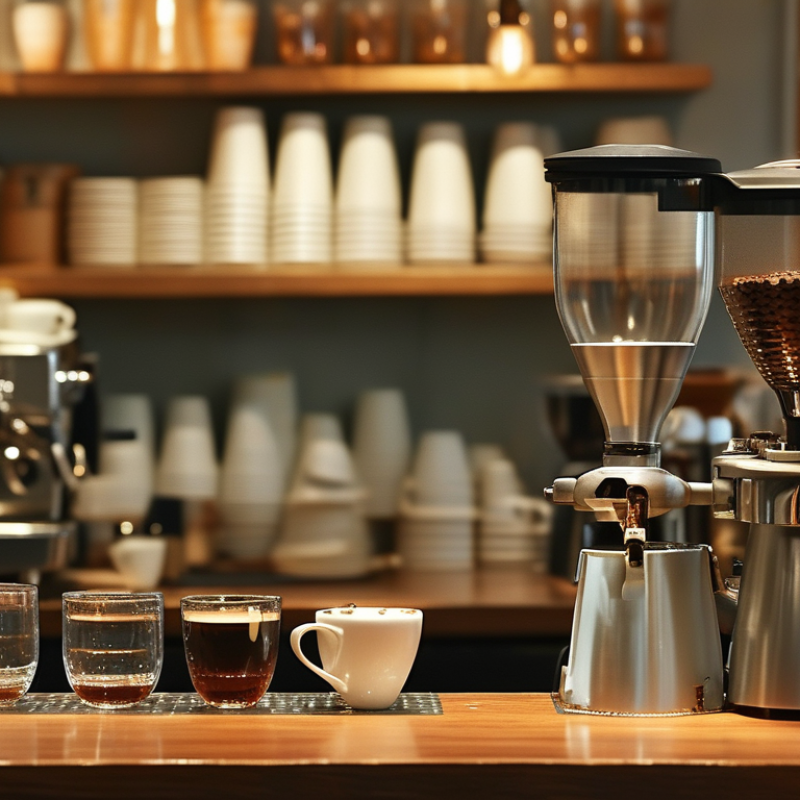
What Defines an Automated Coffee Shop?
Automated coffee shops are revolutionizing the way we experience coffee. They combine advanced technology with user-friendly interfaces. But what really defines an automated coffee shop? At its core, it is a self-service system that minimizes human interaction while maximizing efficiency.
In these shops, customers can place orders via touchscreens or mobile apps. They select their drink preferences, customize their orders, and pay directly from their devices. Machines programmed to prepare coffee ensure consistency. Each cup is brewed to precise specifications. However, while automation enhances speed, it sometimes lacks the personal touch of a barista’s expertise.
This new model raises questions. Can machines truly replicate the nuances of handcrafted coffee? Many consumers miss the art of coffee-making. The social aspect of visiting a coffee shop often diminishes with automation. Thus, while automated coffee shops excel in efficiency, they must also consider the human experience to thrive in today's market.
Key Technologies Behind Automated Coffee Shops
Automated coffee shops are revolutionizing the way we enjoy our morning brew. The key technologies behind these shops are fascinating. At the heart of an automated coffee shop is a robotics system. Robots can grind, brew, and serve coffee with precision. They are programmed to deliver the same taste consistently, eliminating human error. Additionally, sensors and cameras ensure that the coffee-making process runs smoothly.
Another vital technology is artificial intelligence (AI). AI systems learn customer preferences, suggesting drinks based on past orders. This personalization enhances the customer experience. Mobile apps also play a significant role, allowing customers to order in advance. It simplifies the process and reduces wait times.
However, these innovations have their challenges. Technical issues can disrupt service. Robots may malfunction or require maintenance. Furthermore, not all customers are comfortable with automation. Some miss the human interaction of traditional coffee shops. Balancing efficiency with customer satisfaction is a crucial ongoing task.
How Automated Coffee Shops Operate: A Step-by-Step Process
Automated coffee shops are transforming the way we enjoy our favorite brews. These innovative setups rely on technology to streamline coffee-making, minimizing human interaction. The process begins with an order placed through a kiosk or app. Customers select their drink preferences and pay electronically. This initial step reduces wait times and enhances convenience.
Once the order is received, the automated machines spring into action. They use precise measurements to prepare each drink. Grinding fresh coffee beans, steaming milk, and pouring shots are all executed with accuracy. Sensors ensure optimal temperatures and proportions are maintained. This level of automation brings consistency to every cup.
However, challenges exist. Some customers may miss the personal touch that baristas provide. There’s also the potential for machine malfunctions, which can lead to delays. Automated coffee shops must continually assess and refine their operations. Feedback from users is essential for improvement. Balancing efficiency with a warm experience remains a focus for these establishments.
What is an Automated Coffee Shop and How Does It Work?
| Feature | Description | Benefits |
| Automated Brewing | Machines brew coffee using programmed settings. | Consistency in flavor and quality. |
| Self-Service Kiosks | Customers place orders via touchscreens. | Faster service and reduced labor costs. |
| Mobile Ordering | Order via a smartphone app. | Convenience and time-saving for customers. |
| Data Analytics | Collects data on customer preferences. | Enhances offerings and marketing strategies. |
| Inventory Management | Automates stock tracking and ordering. | Reduces waste and ensures supply availability. |
Benefits of Automated Coffee Shops for Consumers and Businesses
Automated coffee shops offer unique benefits for both consumers and businesses. For consumers, the convenience is immediately apparent. Imagine ordering your coffee through a simple touchscreen interface. You can customize your drink without waiting in line. This speed enhances the customer experience, especially during busy hours.
For businesses, automated coffee shops reduce labor costs. With fewer employees needed, profits can increase. Additionally, automation minimizes the risk of human error in orders, ensuring customer satisfaction. However, there’s a potential downside. Automation might lack the personal touch some customers cherish. Regular patrons often seek human interaction that machines can't replicate.
Moreover, while efficiency is paramount, consumers may miss the warmth of a barista's smile. The relationship between customers and coffee shops can feel sterile. This aspect deserves careful reflection. Balancing innovation with human connection will be essential for long-term success.
Challenges and Limitations of Automated Coffee Shop Systems
Automated coffee shops have gained traction, yet they face significant challenges. One major limitation is the technology itself. The complexity of brewing a perfect cup lies not just in the ingredients but also in the precise parameters. According to a recent report by the Specialty Coffee Association, 45% of automation failures in cafes stem from equipment malfunctions. Relying solely on machines can compromise the quality that customers expect.
Another challenge is consumer acceptance. Many coffee lovers cherish the human interaction a barista offers. Findings from a 2022 Market Research study reveal that 70% of customers prefer personalized service when ordering coffee. Automated systems often lack the ability to engage with customers, which may hinder overall satisfaction.
Training staff to operate these systems adds further complexity. While automated coffee shops reduce labor costs, they require skilled employees for maintenance. Research indicates that 60% of automated cafes struggle to find qualified technicians. Without proper support, the systems can become underutilized. While the automated coffee shop revolutionizes how we enjoy coffee, it also raises questions about balance between technology and human touch.
Automated Coffee Shop Performance Metrics
