Best Medical Air Purifier Tips for Healthier Breathing?
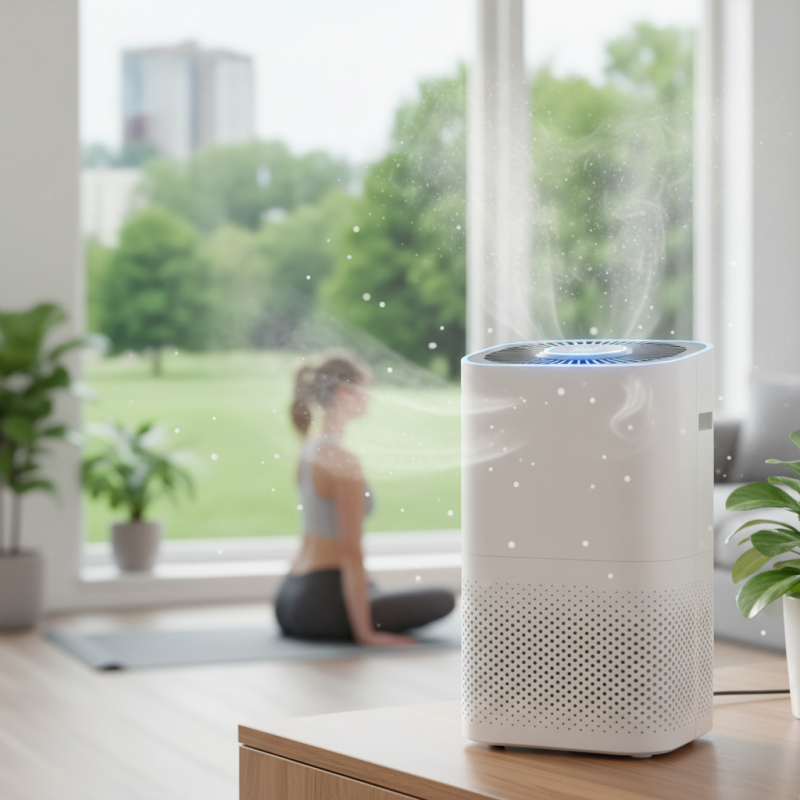
Breathing clean air is vital for our health. A medical air purifier can significantly improve the quality of air in your home. These devices filter out allergens, pollutants, and pathogens, creating a safer environment for everyone.
Choosing the right medical air purifier is not easy. Many options claim to be effective, but not all live up to their promises. You must consider factors like filter types, size, and noise levels. Inadequate research can lead to poor choices.
Air purifiers are not a one-size-fits-all solution. Each home has unique needs. It is essential to reflect on personal circumstances, like specific health issues or environmental factors. A tailored approach will yield the best results in promoting healthier breathing.
Understanding the Importance of Air Purification for Health
Air purification plays a vital role in maintaining healthy indoor air quality. Many people underestimate its importance. Poor air quality can lead to respiratory issues and allergies. Studies show that clean air significantly impacts overall health. This awareness is key to making better choices for living environments.
For effective air purification, start by choosing the right air purifier. Look for models with HEPA filters. These filters capture 99.97% of airborne particles. Regularly changing the filter is essential. This simple task can dramatically improve air quality. Also, remember to ventilate your home. Opening windows for a few minutes every day lets fresh air in. It also helps reduce indoor pollutants.
Another tip is to keep indoor plants. Certain species naturally purify the air. They absorb toxins and release oxygen. However, not all plants are easy to care for. Some require more sunlight than others. Consider your space and lifestyle before selecting them. Reflect on these choices to create a healthier breathing environment. Adjusting simple habits can lead to a noticeable difference.
Key Features to Look for in a Medical Air Purifier
When choosing a medical air purifier, consider the key features that impact health. One important feature is the filtration system. HEPA filters are essential for capturing fine particles, including allergens and pollutants. It’s crucial to check if the purifier can handle smoke and odors as well.
Air purifiers also need to address bacteria and viruses. Some models come with UV-C light to eliminate harmful microorganisms. This feature is particularly valuable in medical settings. The noise level of the unit matters too; a quieter model ensures it can work without disturbing your peace.
Tips for selecting an air purifier can help. Always examine the CADR ratings to know its efficiency. Look for models with easy filter replacement. Practice regular maintenance to keep it functioning optimally. Lastly, understand your space. A purifier for a small room won’t suffice for larger areas. Remember to reflect on the level of air quality you desire before making a purchase.
Top Medical Air Purifiers Recommended by Experts
When it comes to purifying the air we breathe, medical air purifiers are essential for promoting better health. Many experts recommend looking for models with HEPA filters. These filters can capture tiny particles, including allergens and pollutants. They are crucial for those with respiratory issues or allergies. Along with HEPA, activated carbon is another recommended feature. It helps eliminate odors and harmful chemicals.
Placement of the air purifier matters. Experts suggest positioning it in high-traffic areas. This ensures that the purifier circulates clean air effectively. Regular maintenance is key. Filters should be changed as per the manufacturer's guidelines. Neglecting this could lead to reduced efficiency. Moreover, some units come with smart sensors. These sensors adjust the settings based on air quality. It’s a handy feature that may not be used by everyone but offers added convenience.
Consider the size of the room when selecting a purifier. A small unit may not suffice for larger spaces. This miscalculation can lead to disappointment. Air purifiers are an investment in health, but not all choices are straightforward. Each home has unique needs, and one size does not fit all. Reflecting on personal requirements is crucial before making a decision.
Maintenance Tips for Optimal Air Purifier Performance
Maintaining an air purifier is crucial for its optimal performance. Filters are the heart of these devices. According to the U.S. Environmental Protection Agency, regular filter changes can improve efficiency by up to 35%. Most manufacturers suggest changing HEPA filters every six months. However, this can vary based on frequency of use and air quality. Some people neglect this, reducing their purifier's effectiveness over time.
Cleaning the unit's pre-filters is equally vital. A study by the American Lung Association indicates that dirty pre-filters can obstruct airflow. This can result in a drop in performance, forcing the purifier to overwork. Regularly vacuuming or washing these components can significantly enhance air flow and ensure smoother operation.
Placement also matters. Air purifiers require space to function well. Experts recommend keeping them at least three feet from walls. This optimizes airflow and allows the device to circulate air effectively. Some users may not consider this, leading to suboptimal performance. Over time, neglecting these maintenance tips can lead to poorer air quality. It's worth reflecting on how these simple steps can significantly impact health.
Integrating Air Purifiers into Your Home for Better Air Quality
Creating a healthier living environment is essential for overall well-being. Air quality directly impacts respiratory health. According to the Environmental Protection Agency (EPA), indoor air can be up to five times more polluted than outdoor air. Integrating air purifiers into your home can address this issue. They can effectively remove airborne pollutants, allergens, and even certain bacteria.
Placing air purifiers in common areas, like the living room or bedroom, is crucial. Some studies indicate that air quality improvement can lead to a 30% reduction in asthma symptoms. However, not all air purifiers are equally effective. Understanding the specifications, such as filter types and Clean Air Delivery Rate (CADR), is vital. Many people overlook these details. They may assume more expensive models are always the best, but that is not true.
Regular maintenance is another aspect often neglected. Filters need to be replaced consistently for optimal performance. If filters are not changed, air purifiers can circulate pollutants instead of filtering them out. For families with young children or elderly members, this can pose significant risks. It’s important to find a balance between quality and practicality when choosing an air purifier. Awareness and knowledge lead to better choices for healthier breathing.