2026 Best LED Lighting Solutions for Global Buyers?
As the world shifts towards energy efficiency, LED Lighting Solutions are becoming crucial. According to a report by MarketsandMarkets, the global LED market is projected to grow from $66.1 billion in 2021 to $112.6 billion by 2026. This signifies a robust compound annual growth rate of 10.7%. The increasing demand for sustainable lighting options drives this growth, as businesses and consumers alike recognize the long-term cost benefits.
LED technology not only reduces energy consumption but also enhances lighting quality. The U.S. Department of Energy emphasizes that LED lights last 25 times longer than traditional bulbs, reducing waste significantly. However, despite these advantages, some buyers may overlook the variety of available LED solutions. Many are unaware of the significant differences in product quality and performance across brands.
In the complex landscape of lighting solutions, making informed choices is vital. As buyers navigate options, they must scrutinize factors like lumens, wattage, and color temperature. Industry experts recommend understanding these aspects before investing. By prioritizing quality over price, buyers can foster a more sustainable and cost-efficient future with LED Lighting Solutions.
Overview of LED Lighting Technology and Trends in 2026
In 2026, LED lighting continues to evolve with advancements in technology and design. The global market for LED lighting is projected to reach $100 billion, driven by energy efficiency and sustainability demands. Many consumers prioritize smart lighting solutions that integrate with home automation systems. According to a recent report, 70% of buyers prefer LED options due to their longevity and reduced energy costs.
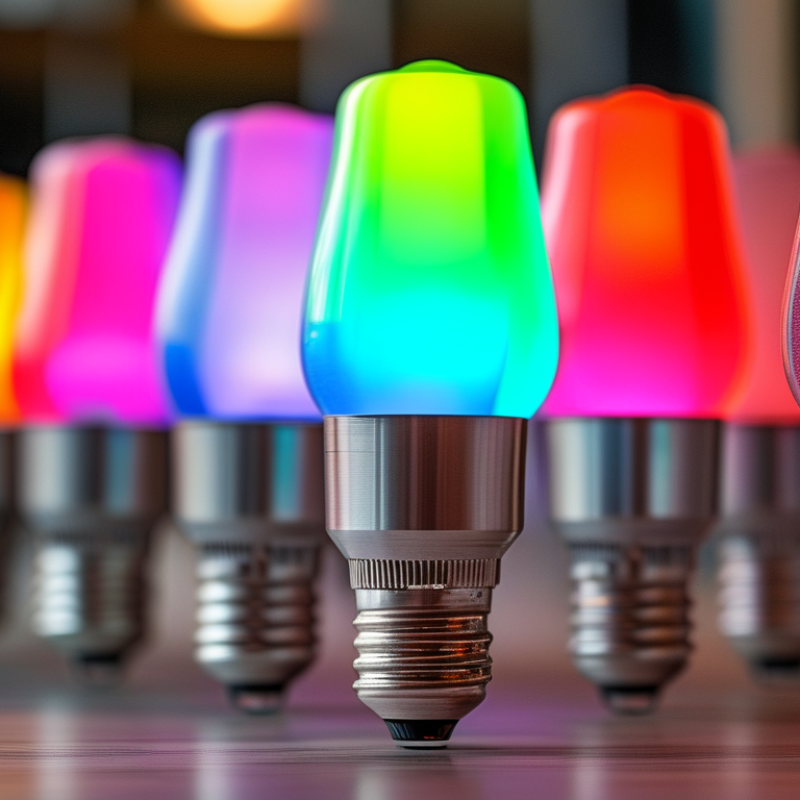
The emergence of tunable white LEDs is a notable trend this year. These lights can adjust color temperature, creating tailored environments for users. Furthermore, smart LED systems allow users to control lighting through mobile apps, enhancing convenience and energy savings. A survey reveals that users report a 25% reduction in electricity bills after switching to smart LED solutions.
Tips for buyers include considering the color rendering index (CRI) when choosing LED products. A higher CRI results in more accurate color representation. It’s also wise to investigate the lumen output for brightness. Not all LED lights provide the same illumination, which can lead to unsatisfactory results if not matched to needs. Reflect on how your lighting choices affect mood and productivity. Inadequate lighting can cause discomfort and diminish focus, which is crucial in workspaces.
Key Factors to Consider When Choosing LED Lighting Solutions
When considering LED lighting solutions, several key factors come into play. A critical aspect is efficiency. The Department of Energy reports that LED lights are up to 80% more efficient than traditional incandescent bulbs. This efficiency translates into significant cost savings on electricity bills. Buyers should evaluate lumens per watt, as this metric determines how much light is produced for each watt used. Optimal products usually offer above 80 lumens per watt.
Another vital consideration is color rendering. Led lighting solutions vary in color temperature, typically expressed in Kelvin. The Color Rendering Index (CRI) scores can impact how true colors appear under light. A CRI of 90 or higher is ideal for environments needing accurate color representation, such as art studios or retail spaces. Potential buyers often overlook this factor, which can lead to dissatisfaction with the final appearance of spaces.
Finally, lifespan and environmental impact are essential. Quality LED lights can last more than 25,000 hours. However, not all products are created alike, and cheaper models could fail prematurely. Regulations exist regarding the sustainability of materials used in production. Buyers should seek out options with RoHS compliance, ensuring safety and reducing environmental harm. Investing time in careful selection pays off in longevity and sustainability.
2026 Best LED Lighting Solutions for Global Buyers
This chart illustrates the key factors influencing the choice of LED lighting solutions, focusing on aspects like energy efficiency, lifespan, cost, and environmental impact.
Top LED Lighting Brands and Products for Global Buyers
The LED lighting market is evolving rapidly, with a projected growth rate of 13.4% from 2023 to 2030, according to recent industry reports. Global buyers should explore diverse brands and products that cater to various applications, from residential to commercial spaces. Many buyers seek energy efficiency and long lifespan in lighting solutions, which LED technology provides. Reports suggest that quality LEDs can last up to 25,000 hours or more, significantly reducing replacement costs.
Innovative design is another critical factor in selecting LED products. Brands that focus on sleek designs often appeal to modern aesthetic preferences. Dimming capabilities and smart integration are features that customers increasingly look for. While the market offers numerous options, buyers should assess the certifications and quality standards of products. Not all LEDs are created equal, and subpar products can lead to flickering and inconsistent light quality.
There are challenges in the market as well. Counterfeit products pose a risk, undermining trust in LED solutions. It's essential for buyers to verify the credibility of suppliers. This diligence ensures that the lighting solutions they choose not only meet their functional needs but also adhere to safety standards and efficiency claims. Investing in reputable brands may seem pricier initially, but the long-term benefits often outweigh these costs.
Sustainable Practices in LED Lighting Manufacturing and Use
Sustainable practices in LED lighting are essential as the global focus on environmental responsibility intensifies.
The manufacturing process of LED lights now increasingly incorporates recycled materials. This can help to reduce
waste and lower the carbon footprint. However, many manufacturers still rely on harmful substances. This raises
concerns about pollution and health risks.
Another aspect to consider is energy efficiency. LEDs are more efficient than traditional light sources. They
consume less electricity, which translates to lower energy costs and reduced greenhouse gas emissions. Yet,
not all LED products on the market are equally efficient. Consumers need to be cautious and look for reliable
energy ratings.
Beyond production, the lifespan of the LED products impacts sustainability too. LEDs can last much longer than
conventional bulbs, reducing the frequency of replacements. However, the disposal of expired LED products poses
a challenge. Many end up in landfills, contributing to electronic waste. It is crucial that manufacturers and
users explore recycling options to mitigate this issue.
Future Innovations in LED Lighting: What to Expect Beyond 2026
The LED lighting industry is evolving rapidly, with innovations expected to reshape the market beyond 2026. A significant trend is the integration of smart technology into LED systems. This development allows for real-time adjustments based on environmental conditions. Imagine a future where lights can alter brightness according to the time of day. The potential for energy savings is immense, but it also raises questions about privacy and data security.
Another exciting innovation is the enhancement of LED materials. Researchers are exploring new compounds that could improve efficiency and color rendering. These advancements could lead to more vibrant lighting solutions for homes and offices. However, the manufacturing process may face environmental challenges. Keeping production sustainable while meeting demand will require careful thought and innovation.
Lastly, the push for human-centric lighting systems is gaining traction. This concept focuses on how light affects our well-being. Future LED designs may prioritize circadian rhythms, enhancing mood and productivity. Careful consideration of these factors will be crucial as we move forward. Balancing technological advancements with practical applications is an ongoing challenge in this dynamic field.