How to Choose the Best Led Smart Lights for Your Home?
Choosing the right LED smart lights for your home can be overwhelming. With so many options available, making an informed decision becomes crucial. LED smart lights enhance your living space and offer convenience and energy efficiency. They can change the ambiance and save on energy costs.
When selecting LED smart lights, consider your personal needs. Think about the rooms you want to illuminate. Some lights are brighter than others, influencing the mood of a space. Reading reviews can help, but remember that not all reviews are reliable. Look for brands known for quality and customer service.
Compatibility is another key factor. Ensure the LED smart lights you choose work with your existing smart home devices. Not all lights integrate seamlessly. The features may vary, leading to frustration down the line. Ultimately, understanding what you want will simplify your choice. Reflect on your habits and preferences for the best results.
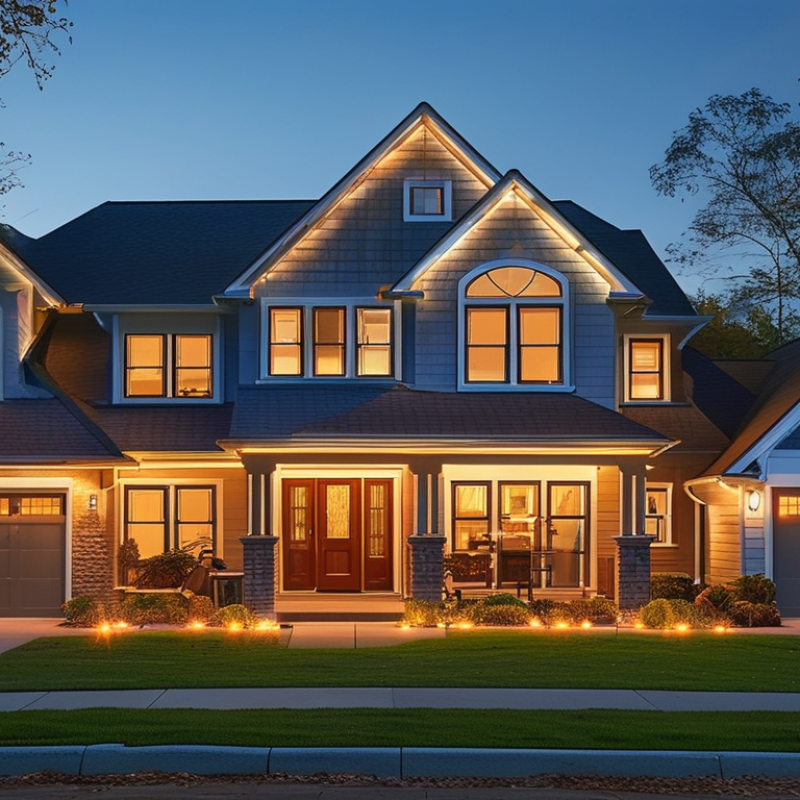
Understanding the Basics of LED Smart Lights and Their Benefits
LED smart lights have gained popularity due to their energy efficiency and versatility. Understanding their basics can aid in making an informed choice. Unlike traditional bulbs, LED lights use less energy and have a longer lifespan. This translates to lower electricity bills over time. They are also available in various colors and brightness levels, allowing for customization of your home environment.
When considering the benefits, it's essential to think about convenience. Many LED smart lights offer features like remote control and automation. You can schedule them to turn on or off based on your routine. This can enhance the quality of your home life. However, some users may find the initial setup process challenging or the app usability frustrating. The technology is advancing, but not all products have user-friendly interfaces.
Additionally, there's the potential worry about network security with smart devices. Ensuring your Wi-Fi network is secure is vital when integrating smart technology in your home. While the benefits are significant, some people may need time to adapt to these changes. It's beneficial to read reviews and seek advice from experienced users before purchasing. Balancing technology and practicality is key when choosing LED smart lights for your home.
How to Choose the Best Led Smart Lights for Your Home?
| Feature |
Description |
Benefits |
| Energy Efficiency |
LED smart lights use significantly less energy compared to traditional bulbs. |
Lower electricity bills and reduced carbon footprint. |
| Color Adjustment |
Most LED smart lights allow users to change colors according to mood or occasion. |
Creates a customizable ambiance for different settings. |
| Remote Control |
Control lights from anywhere using mobile apps or smart home devices. |
Convenience and security by managing lights on-the-go. |
| Integration with Smart Home Systems |
Compatible with various smart home ecosystems like Amazon Alexa and Google Home. |
Enhances home automation and convenience. |
| Lifespan |
LED smart lights have a longer lifespan compared to incandescent and fluorescent bulbs. |
Reduced frequency of replacements and lower overall costs. |
Evaluating Key Features: Brightness, Color Temperature, and Energy Efficiency
When selecting LED smart lights for your home, key features like brightness, color temperature, and energy efficiency are crucial. Brightness, measured in lumens, determines how much light a bulb emits. According to the U.S. Department of Energy, LED bulbs produce the same brightness as incandescent bulbs while using up to 75% less energy. This significant reduction in energy consumption can lead to notable savings on your electric bill.
Color temperature is another essential aspect to consider. It affects the ambiance of your space. Typically, warm white light (around 2700K) creates a cozy feel for living rooms, while cooler light (4000K-5000K) is ideal for workspaces. Studies indicate that lighting can impact mood and productivity, making the right temperature critical for different areas in your home.
Tip: Always check the lumens rating on your LED packaging. A higher lumen count means brighter light. Also, consider how color temperature can change your perception of a room’s size or warmth. Lastly, balance aesthetics with energy efficiency. While more colorful lights are appealing, prioritize models with Energy Star ratings to ensure long-term savings. Be mindful that not all designs fit every need, and you may need to experiment to find the best options for your space.
Exploring Compatibility with Smart Home Systems and Devices
When selecting LED smart lights, compatibility is crucial. Ensure your lights work seamlessly with existing smart home systems. Many homes now incorporate smart assistants and hubs. Choosing lights that integrate effortlessly can enhance your experience.
Check if the smart lights communicate with your devices. Some may only support specific protocols. Research what systems are widely used. A local expert can help guide your selection process. Seeking guidance can save time and headaches.
It's essential to read user reviews. Experiences can reveal compatibility issues not mentioned by manufacturers. Some users note that initial setup may take longer than expected. Yet, these challenges can lead to an optimized smart home environment. Adjusting settings might take a few tries, but persistence pays off.
Assessing Control Options: Apps, Voice Assistants, and Remotes
When selecting LED smart lights for your home, control options greatly impact your experience. You can choose to manage your lights through smartphone apps, voice assistants, or physical remotes. Each option has unique features and shortcomings.
Smartphone apps often offer robust customization. They allow for scheduling, color changes, and dimming. However, they require a reliable internet connection. Many users find themselves frustrated when apps malfunction. On the other hand, voice assistants provide hands-free convenience. Yet, they may struggle with accents or background noise. It’s frustrating when lights don’t respond as expected.
Physical remotes present a straightforward solution. They eliminate the need for Wi-Fi and apps. But, they can easily get lost. It's essential to weigh these options. Consider your household dynamics and tech comfort levels. Balancing convenience and reliability is crucial in creating the ideal lighting setup.
Comparing Price Ranges and Brand Reliability in LED Smart Lights
Choosing the right LED smart lights involves more than just aesthetic appeal. Price ranges can vary significantly. On average, basic models cost around $20, while high-end options may exceed $100. A recent industry report indicates that the global smart lighting market is expected to reach $29 billion by 2025.
Brand reliability plays a crucial role in this decision. Data shows that well-established brands often provide better customer support and product longevity. Newer brands might offer lower prices but can lack essential features or reliability. A consumer report reveals that 30% of buyers experienced issues with less reputable brands.
Tip: Always check customer reviews and ratings. Feedback from other users can provide insight into potential problems and durability.
Moreover, consider energy efficiency. According to the U.S. Department of Energy, smart LED bulbs can save up to 75% more energy than traditional bulbs. However, it’s vital to weigh initial costs against long-term savings. Cheaper lights may not last as long, affecting your overall budget.
Tip: Evaluate warranty options. A good warranty can indicate brand confidence in the product. Investing in reliable brands often pays off in the long run.
Comparison of Price Ranges and Features of LED Smart Lights