
Choosing solar street lights for global projects requires more than comparing wattage and prices. A reliable Solar Light Street Light must match local sunlight, weather, road use, and maintenance capacity. A coastal highway in Kenya faces salt air and intense heat. A mountain road in Chile may experience freezing nights and weaker winter radiation. These conditions change the right battery, panel angle, housing material, and lighting schedule.
Lighting engineer Dr. Anil K. Raj explains, “A solar street light succeeds when its design fits the place, not when its specification sheet looks impressive.” This practical view supports an experience-based evaluation. Project teams should inspect daily solar radiation, shadow patterns, traffic movement, and installation access. They should also check battery chemistry, ingress protection, pole strength, and controller performance. Small details matter.
The wrong choice can look efficient on paper.
A dependable design uses realistic autonomy calculations. It considers cloudy days, seasonal changes, dust buildup, and gradual battery aging. However, no product is perfect. Even strong systems may underperform when trees grow, panels remain dirty, or usage expands unexpectedly. That weakness deserves honest planning. Buyers should request test reports, warranty conditions, replacement procedures, and operating references from comparable regions. Independent verification is valuable, especially when suppliers present unclear performance claims.
This guide examines how to compare Solar Light Street Light solutions for roads, parks, villages, and commercial sites worldwide. It focuses on measurable performance, practical installation experience, and long-term service reliability. The aim is not to find the cheapest lamp. It is to select a system that keeps working when conditions become difficult.
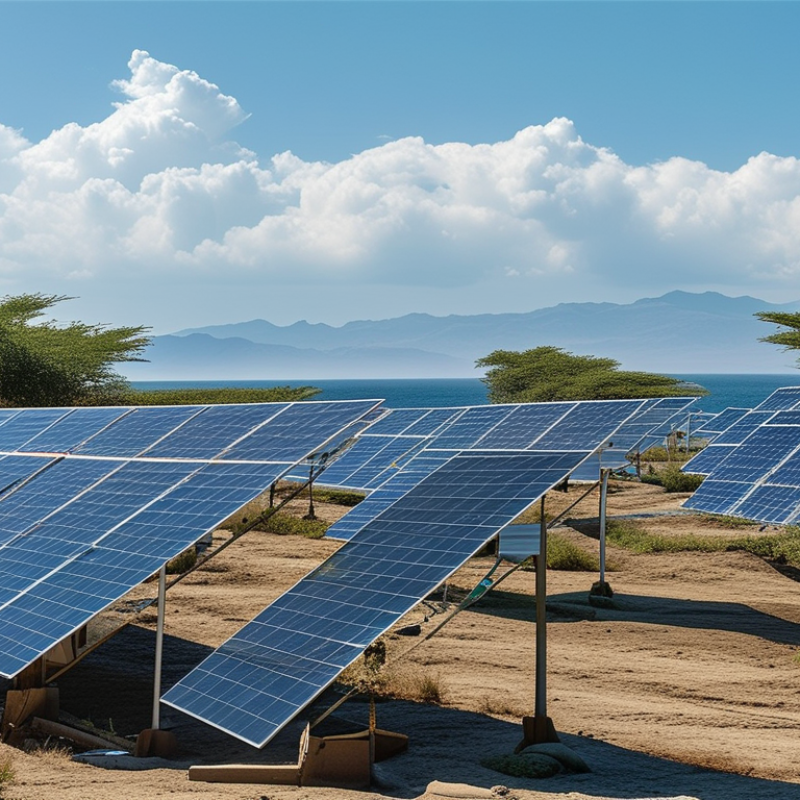
A reliable design starts with the road, not the lamp. Record road width, traffic speed, mounting height, pole spacing, and required lighting class. CIE 115:2010 links lighting performance to road use, conflict areas, and pedestrian activity. A quiet village lane should not receive the same specification as a busy junction.
Measure the site carefully. Note latitude, shading, dust, flooding risk, soil condition, and nighttime temperatures. The World Bank’s Global Solar Atlas shows major differences in solar irradiation across nearby regions. Use monthly data, not annual averages alone. Three cloudy weeks can expose an undersized battery. IEA PVPS Trends 2024 reports 407 GW of new solar capacity added worldwide in 2023. Growth is impressive, but local weather still decides system reliability.
Estimate daily energy demand from actual operating hours. Include dimming schedules, cloudy-day autonomy, battery aging, and conversion losses. Check whether trees will shade the panel after five years. That detail is often missed. In coastal areas, salt corrosion needs attention, while desert roads demand stronger dust protection and easier cleaning access. IP ratings help, but they do not replace field inspection.
Ask local teams about maintenance access and replacement skills. A technically efficient system may fail if batteries cannot be serviced safely. We sometimes specify too much autonomy. That increases cost and weight. A better design balances climate records, lighting targets, logistics, and realistic maintenance capacity. Perfect assumptions rarely survive the first rainy season.
Solar street light selection begins with the project environment, not the lamp itself. Compare all-in-one and split configurations carefully. An all-in-one unit places the panel, battery, controller, and LED module together. It simplifies installation and reduces cable exposure. However, its compact body may limit battery capacity and thermal performance in hot locations. A split system separates these components. It usually offers better panel positioning and easier maintenance, especially where shade changes during the day.
Component quality directly affects lighting reliability. Choose an LED module with suitable lumen output, beam distribution, and color temperature. A narrow road needs different optics from a wide public square. Battery chemistry also matters. Lithium-based batteries generally provide strong cycle life and compact storage, while operating temperature still needs attention. The controller should support dusk-to-dawn operation, dimming schedules, charging protection, and low-voltage protection. Small details matter.
Panel size must match local solar radiation, cloudy periods, and seasonal demand. Do not size it from average sunshine alone. Check the weakest month. For a busy road, use higher autonomy and conservative battery capacity. For a quiet pathway, scheduled dimming may reduce cost without creating dark areas. Pole height, wind load, foundation strength, and theft-resistant fasteners also deserve field inspection. No configuration is perfect. A spreadsheet cannot show every tree shadow or dusty panel. Short pilot installations can reveal problems before a large deployment begins.
Choosing solar street lights for global projects starts with measured lighting performance, not attractive specifications. On site, check road width, mounting height, pole spacing, pavement color, and pedestrian movement. A fixture should provide even illumination, controlled glare, and dependable visibility throughout the night. Request photometric files and review the actual layout. A bright center with dark gaps is not effective lighting. It may look impressive in a brochure. It may perform poorly on the road.
Battery capacity must match the local load and weather pattern. Calculate nightly energy use from LED power, operating hours, dimming schedules, and controller losses. Then allow reserve for cloudy days and battery aging. A five-day autonomy target may suit a remote road, while a shorter reserve can work in a sunny urban area. These are planning guides, not universal rules. I have seen projects oversize batteries but ignore low temperatures, ventilation, or replacement access. Battery chemistry, enclosure protection, and thermal behavior deserve equal attention.
Solar design should reflect the weakest useful sunlight period, not the annual average. Check latitude, seasonal shading, panel tilt, dust, snow, and nearby buildings. Size the panel to recharge the battery after normal nightly consumption. Leave practical access for cleaning and inspection. Small shadows matter. Partial shading can reduce useful output more than expected. Local installers often reveal maintenance problems that drawings miss. When site data is incomplete, revisit every assumption. Confidence without measurements creates expensive surprises.
How to Choose Solar Street Lights for Global Projects
Solar street lights must match the project site, not just a product brochure. Check battery capacity, panel output, LED efficiency, and controller performance under local weather conditions. In a hot desert, battery temperatures can rise sharply. In coastal areas, salt air may damage weak metal coatings. Look for clear test reports, stable light output, and suitable IP and IK protection ratings. Ask whether components meet recognized IEC standards and local electrical requirements. Vague certificates deserve caution.
Installation details often decide real performance. Measure road width, pole spacing, mounting height, and daily sunlight before selecting the system. A light designed for eight hours may fail during long cloudy periods. Confirm the foundation design, wind-load calculation, cable protection, and battery access. Workers should receive practical installation instructions, including torque values and wiring diagrams. Small errors matter. A tilted panel can reduce charging noticeably.
Maintenance planning should begin before shipment. Confirm expected battery life, cleaning intervals, spare-part availability, and remote monitoring options. Keep records of battery voltage, nighttime brightness, and fault alarms after installation. These records reveal gradual problems earlier than visual inspections. I have seen projects choose brighter lamps, then struggle with short backup times. The specification looked impressive, but the energy balance was weak. Leave room for local training and seasonal testing, because real conditions often differ from the original survey.
Suggested evaluation weighting for international solar street-light projects: product quality covers optical performance, battery capacity, solar-panel output, and service life; standards verify compliance with requirements such as IEC 60598, IEC 60529, IEC 61215, and applicable battery safety standards; installation considers lighting design, pole foundation, orientation, and local conditions; maintenance covers remote monitoring, spare parts, cleaning, battery replacement, and long-term service access.
Choosing solar street lights for global projects requires a lifecycle-cost lens, not a unit-price contest. IRENA’s Renewable Power Generation Costs in 2023 reports that utility-scale solar PV costs fell 90% between 2010 and 2023. The global weighted average reached about $0.044 per kilowatt-hour. However, street-light economics also include poles, batteries, controls, shipping, installation, and replacement access. Calculate cost per operating night over 10 to 15 years. Include failed batteries and site visits.
Supplier evaluation should resemble infrastructure procurement. Request photometric files, battery chemistry, thermal limits, ingress protection reports, and spare-part availability. Compare tested performance, not brochure wattage. Lighting Global quality standards emphasize verified durability and lighting performance for off-grid products. Ask for traceable test records. Ask who repairs a unit in year eight.
Warranty language matters. Require separate terms for LEDs, batteries, controllers, and PV modules. Check capacity retention, response times, exclusions, and freight responsibility. NREL’s review of photovoltaic degradation found a median annual rate near 0.5%. Batteries may age faster in hot, poorly ventilated enclosures. Model heat, dust, shading, and cloudy seasons. Real projects are rarely perfect. A cheaper proposal can lose value through darkness, safety concerns, and repeated mobilization. Yet a premium specification may waste money when lighting demand is modest. Let local technicians challenge the spreadsheet. Their criticism may reveal the missing cost.
WhatsApp us