How to Choose the Right Aluminum Profile for Your Project?
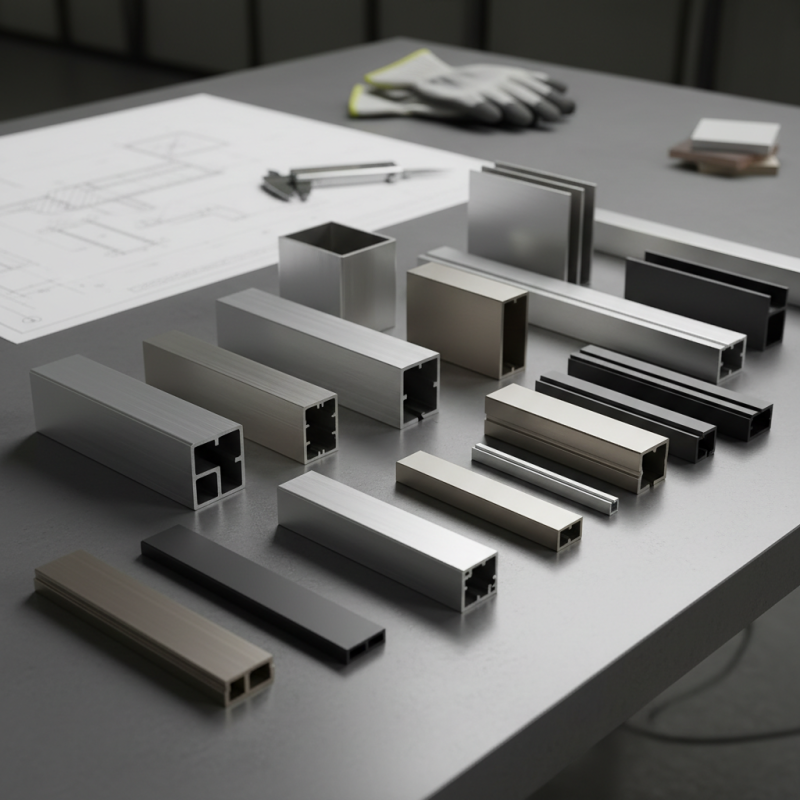
Choosing the right Aluminum Profile for your project is crucial. It affects not only the structural integrity but also the aesthetic appeal of your design. Aluminum Profiles come in various sizes and shapes, each serving different purposes.
Understanding the specific requirements of your project is essential. Do you need lightweight materials for easy handling? Or are you focusing on durability and strength? Each project may demand a unique solution. Reflecting on your needs can help avoid costly mistakes later on.
Expert advice emphasizes the importance of selecting high-quality Aluminum Profiles. Low-grade materials can lead to structural failure. Therefore, investing time in research is vital. Consider professional opinions and reviews to guide your decision-making process. Your project deserves the best, and so do you.
Understanding the Basics of Aluminum Profiles in Construction
When it comes to construction, aluminum profiles play a vital role. They are lightweight, durable, and versatile. Understanding their basics can greatly influence your project choice. Aluminum profiles come in various shapes and sizes, each designed for specific applications. From beams to brackets, selecting the right profile is essential for structural integrity and performance.
Consider the load-bearing capacity. How much weight will your aluminum profile support? This can affect your selection significantly. Different alloys have unique properties, so it’s crucial to understand your strength needs.
Tips: Always assess the environment where the profile will be used. Will it be exposed to moisture, chemicals, or extreme temperatures? These factors can impact your aluminum's longevity.
Another point to reflect on is aesthetics. Do you need a polished finish, or would a matte look work? The appearance of aluminum profiles can enhance the visual appeal of your project. Balancing functionality with style is key to making an informed choice.
Identifying Project Requirements and Specifications
When choosing the right aluminum profile for your project, understanding the specific requirements and specifications is crucial. Each project has unique needs that dictate the type of aluminum profile you should use. This includes considerations like weight, strength, and thermal properties. Knowing these aspects can streamline your selection process.
Tips: Always assess the load-bearing capacity. Profiles should support the intended applications without compromising safety. Think about the length and width of your materials. These dimensions directly impact usability.
It’s also essential to think about the finish of the aluminum. Different finishes not only affect aesthetics but also functionality. Some coatings enhance corrosion resistance, while others improve adhesion for additional treatments. What looks good may not always be the most practical choice.
Tips: Evaluate the environmental factors your project will face. Exposure to moisture or chemicals can alter the profile’s performance over time. Do not just rely on surface appeal; function should be paramount.
Evaluating Different Types of Aluminum Profiles
When evaluating different types of aluminum profiles, understanding your project requirements is crucial. Aluminum profiles come in various shapes and sizes, such as T-slot, angle, and channel. Each type serves distinct purposes. For instance, T-slot profiles are versatile for building frames and supports due to their modular designs.
According to a report by the Aluminum Association, over 60% of aluminum is used in construction, demonstrating its significance. Weight, strength, and corrosion resistance are vital factors to consider. Profiles with thicker walls provide better structural integrity but also increase weight. A profile that’s too heavy may complicate handling and increase costs.
Choosing the right aluminum profile often involves trial and error. It’s common to find that a seemingly fine option doesn’t meet all project demands. Being flexible and open to adjustments can lead to better outcomes. Research indicates that improperly chosen profiles can increase project timelines by 30%. Balancing performance and budget is essential for successful implementation.
How to Choose the Right Aluminum Profile for Your Project? - Evaluating Different Types of Aluminum Profiles
| Profile Type | Typical Applications | Advantages | Disadvantages | Weight (kg/m) |
| Square Profile | Construction, Automotive | Versatile, Easy to Join | Limited Flexibility | 2.5 |
| T-slot Profile | Modular Systems, Workstations | Modularity, Customizable | More Complex Assembly | 3.0 |
| Round Profile | Furniture, Railings | Aesthetic Appeal, Lightweight | Less Structural Strength | 1.8 |
| Angle Profile | Supports, Brackets | High Strength, Easy to Install | Limited Use Cases | 2.2 |
| Channel Profile | Tracks, Guides | Secure, Stable | Heavier | 3.5 |
Comparing Thickness, Weight, and Load Capacity of Profiles
Thickness, weight, and load capacity are crucial when selecting an aluminum profile. A thicker profile generally provides better strength and load support. However, increased thickness also adds weight. For lightweight applications, a thinner profile may serve well, but it could compromise durability. Finding the right balance is key.
Consider the specific demands of your project. For example, if you plan to support heavy machinery, a thicker and heavier profile is advisable. Conversely, if the installation is overhead and needs to be lightweight, prioritize thinner profiles. The load capacity of a profile is often determined by its cross-sectional shape. Some shapes provide greater resistance against bending, while others may not be as reliable under heavy loads.
It's important to evaluate the pros and cons of each option. A thicker profile can enhance structural integrity but might be harder to handle and install. Ultimately, assess the requirements carefully. Take into account factors like environment and expected wear. What works in one scenario may not in another.
Selecting Finishes and Coatings for Durability and Aesthetics
Selecting the right finishes and coatings for aluminum profiles is essential. The choice impacts both durability and aesthetics. Aluminum can corrode if not protected. Anodizing is a popular finish that enhances resistance to weathering and wear. This process forms a protective layer. It can appear in various colors, allowing customization for visual appeal.
Powder coating is another option. It provides a smooth and vibrant finish. This coating is durable, offering excellent protection against scratches and fading. However, it can be challenging to apply evenly. Inconsistent application may lead to areas of vulnerability. Awareness of the application process is key.
Consider the environment where the aluminum will be used. Coastal areas often have higher corrosion risks. Selecting a finish that withstands salty air is vital. In less aggressive settings, simpler coatings may suffice. Evaluating the specific needs of your project will lead to better choices. Remember, the finish you choose affects both longevity and appearance.
How to Choose the Right Aluminum Profile for Your Project?
This chart illustrates the consideration factors for selecting aluminum profiles based on their finishes and coatings, comparing durability and aesthetics for various project requirements.