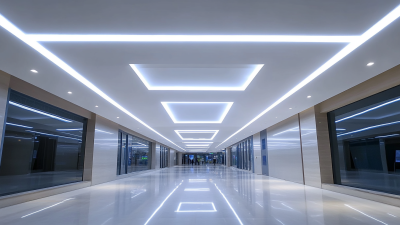
How to Choose the Right Linear Lighting for Your Home and Office Spaces
In recent years, the use of Linear Lighting in both home and office environments has gained considerable traction due to its versatility and modern aesthetic appeal. According to a report by the International Association of Lighting Designers, linear light fixtures have become increasingly popular, with market growth expected to reach $12 billion by 2025. This upward trend can be attributed to the ability of Linear Lighting to create ambient, task, and accent lighting seamlessly, enhancing the functionality and mood of various spaces.
Choosing the right Linear Lighting is crucial for optimizing not only visual clarity but also the overall design of an environment. Research from the American Society of Interior Designers suggests that well-lit spaces can improve productivity by up to 20%, highlighting the importance of effective lighting solutions in office settings. Furthermore, the adaptability of Linear Lighting allows it to be utilized in diverse applications—from creating a tranquil atmosphere at home to fostering an inspiring workspace in commercial settings. As we delve deeper into the factors influencing the selection of Linear Lighting, it becomes essential to consider elements such as lumen output, color temperature, and fixture design that align with both functional needs and aesthetic preferences.

Understanding the Basics of Linear Lighting in Interior Design
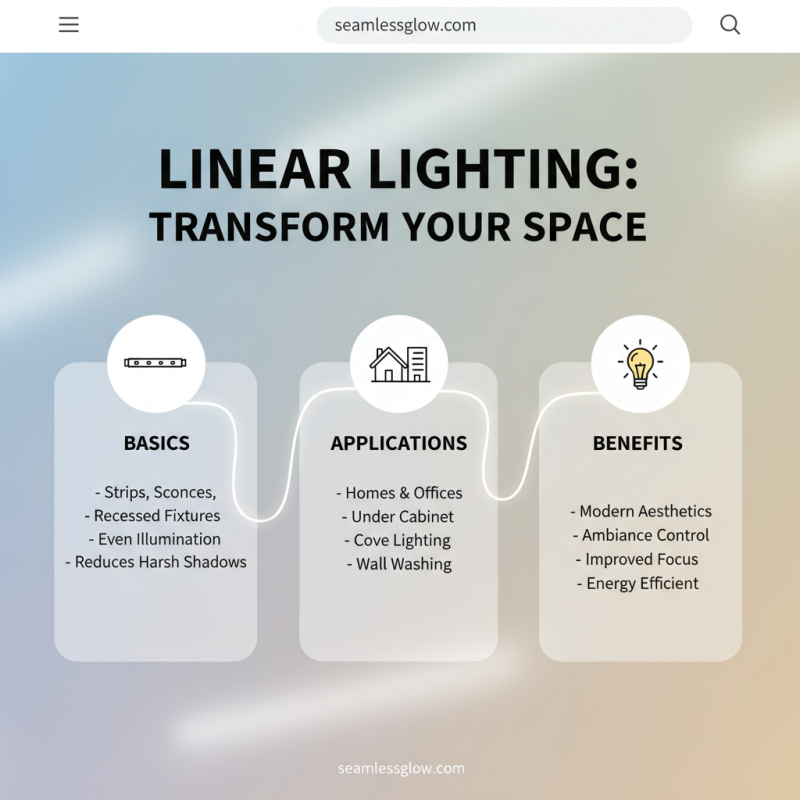
Linear lighting is a powerful element in interior design that can significantly influence the ambiance and functionality of a space. Understanding its basics is essential to effectively integrate it into various environments, whether in homes or offices. Linear lighting typically comes in the form of light strips, sconces, or recessed fixtures, and is used to create even illumination across surfaces. This type of lighting minimizes harsh shadows and provides a seamless glow, enhancing the aesthetic appeal of any area.
When selecting linear lighting, consider the specific needs of the space. For example, in a home, linear lighting can highlight architectural features or artwork, while in an office, it can improve focus and productivity by providing adequate brightness and reducing glare on screens. Additionally, the color temperature of the lighting plays a crucial role; warmer tones can create a cozy atmosphere, perfect for living areas, while cooler tones are more suitable for workspaces, promoting alertness and concentration. By understanding these fundamentals, you can make informed decisions to elevate the design and functionality of your environments.
Identifying the Right Purpose for Linear Lighting in Different Spaces
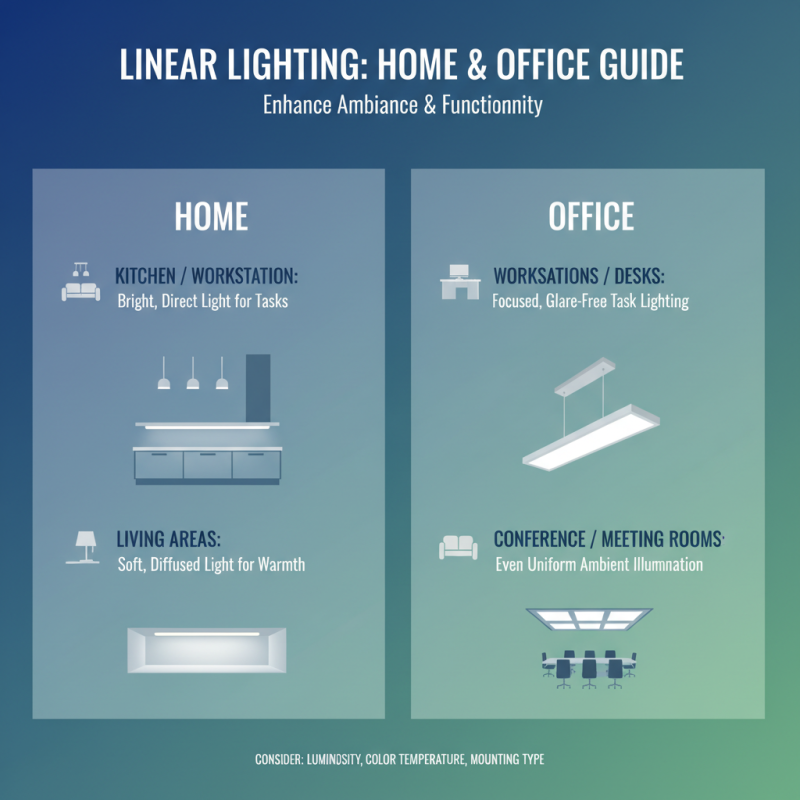
When selecting linear lighting for your home and office spaces, it's crucial to first identify the specific purpose of the lighting in each area. In residential settings, linear lighting can enhance aesthetics, streamline ambiance, or provide functional illumination for tasks. For example, soft, warm linear lights can create a cozy atmosphere in living rooms, while brighter, cooler tones are suitable for working areas in homes where focus and productivity are essential.
In professional environments, the purpose of linear lighting often extends beyond mere illumination to influence mood and productivity. In open office spaces, adjustable linear fixtures can offer flexibility, catering to collaborative areas versus focused workstations. It is important to consider the position of the fixtures to minimize glare and optimize the light distribution across the workspace.
**Tips:** When choosing linear lighting for a specific space, consider the height of your ceilings and the desired light intensity. Dimming capabilities can also provide versatility, allowing you to adapt the atmosphere as needed. Additionally, pay attention to the color temperature of the lights to create the intended mood, whether warm and inviting or bright and energizing.
Choosing the Best Types of Linear Fixtures for Your Needs
Choosing the right types of linear fixtures for your home and office can significantly enhance the ambiance and functionality of your spaces. When selecting linear lighting, consider the specific requirements of each area. For instance, spaces that require focused task lighting, like kitchens or workstations, would benefit from fixtures that provide bright, direct light. In contrast, living areas may thrive with softer, diffused lighting that creates a warm atmosphere.
Tips: Always assess the dimensions and layout of the room before making a selection. A linear fixture that is too long or too short can throw off the visual balance of the space. Additionally, pay attention to the color temperature of the bulbs; warmer tones typically work well in relaxation areas, while cooler tones are ideal for workspaces where clarity and concentration are needed.
When exploring different types of linear fixtures, consider options such as surface-mounted, recessed, or hanging designs depending on your ceiling height and interior style. Each type offers unique benefits, with hanging fixtures making a bold statement in dining areas while recessed lights seamlessly blend into a modern ceiling design. Evaluate the overall aesthetic you wish to achieve to guide your choices effectively.
Evaluating Brightness and Color Temperature for Ideal Lighting
When selecting linear lighting for your home or office, evaluating brightness and color temperature is crucial for creating the desired atmosphere. Brightness, measured in lumens, determines how well a space is illuminated. For workspaces, it's recommended to aim for brighter options, averaging around 300-500 lumens per square meter, which helps reduce eye strain and promotes productivity. In contrast, living spaces might benefit from softer lighting levels, around 200-300 lumens, promoting relaxation and comfort.
Color temperature, measured in Kelvin (K), plays a significant role in setting the mood of your environment. A cooler color temperature of 4000-5000K mimics daylight, which is ideal for work areas where focus is needed. Warmer temperatures, typically below 3000K, create a cozy and inviting ambiance suitable for living rooms and bedrooms. Understanding your space's purpose will guide you in selecting the right color temperature for your lighting.
Tips: Consider using dimmable linear lights that allow you to adjust brightness according to the time of day or specific tasks. Additionally, incorporating smart bulbs can enable you to change color temperatures on demand, providing flexibility and enhancing your environment's functionality. Always test different lighting options in your space to determine which brightness and color temperature combinations work best for your needs.
Tips for Installation and Maintenance of Linear Lighting Systems
When installing linear lighting systems, several important considerations can ensure both optimal performance and longevity. First, it is crucial to select the appropriate type of fixtures that align with your space’s characteristics. According to the 2022 ALA Lighting Trends Report, 60% of lighting professionals recommend LED linear fixtures due to their energy efficiency and longer lifespan compared to traditional options. Properly sizing the fixtures to match the dimensions of the room enhances both ambient and task lighting, thereby maximizing utility.
Additionally, attention to installation practices can significantly affect the performance of linear lighting. It is essential to ensure that fixtures are installed at the right height and angle to minimize glare while providing adequate illumination. The Illuminating Engineering Society (IES) suggests maintaining a mounting height of 7-8 feet for general areas, while task-specific lighting may require adjustments based on user needs. Regular maintenance, including cleaning the fixtures and checking for any signs of wear, is essential to sustain lighting quality. Research indicates that properly maintained lighting can improve productivity in office environments by up to 20%, making maintenance not just a task but a crucial aspect of creating effective workspaces.