Top Digital Signage LED Wall Tips for Global Buyers?
Digital signage LED walls are revolutionizing the way businesses communicate with their audiences. According to a report by MarketsandMarkets, the global digital signage market is projected to reach $31.71 billion by 2025, showcasing its rapid growth and importance. Companies are increasingly adopting digital signage LED walls to enhance brand visibility and improve customer engagement. However, with numerous options available, buyers must navigate this evolving landscape carefully.
Successful investment in digital signage LED walls requires knowledge of key features and technological advancements. Recent industry insights indicate that integrating high-definition displays and smart software can significantly impact viewer retention. Additionally, understanding installation best practices and ongoing maintenance needs is critical to maximizing the return on investment. Buyers often overlook these aspects, leading to unsatisfactory results.
Mistakes in choosing the right digital signage LED wall can hinder brand messaging. Poor display quality, inadequate content management, and installation missteps can diminish the effectiveness of communication efforts. As the market continues to evolve, buyers must remain proactive, ensuring they stay informed about emerging trends and performance metrics. This approach will not only foster successful strategies but also build a foundation of reliability and expertise in digital signage solutions.
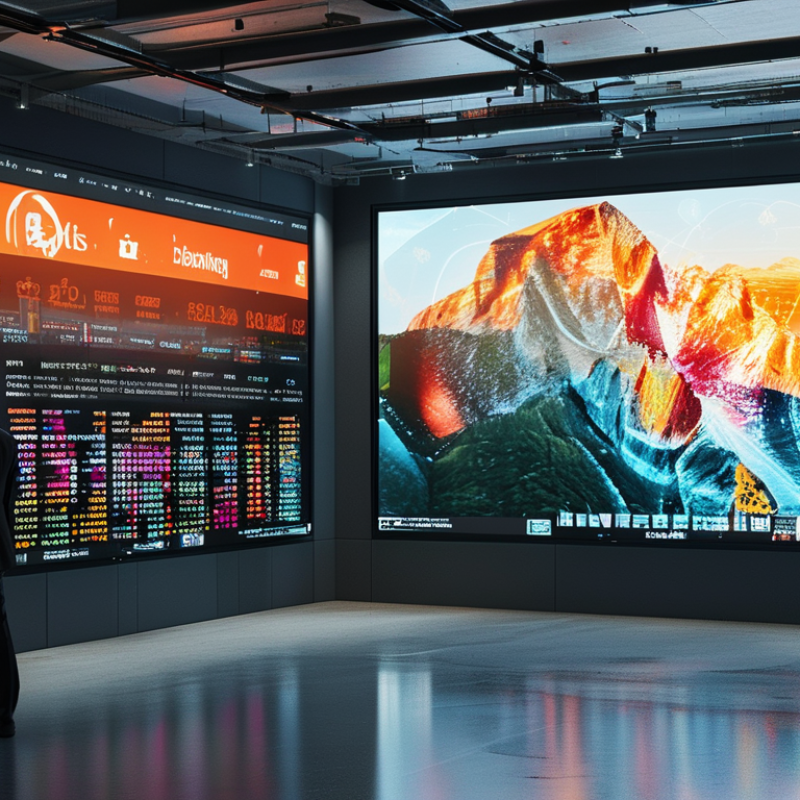
Key Considerations for Selecting LED Walls in Digital Signage
When selecting LED walls for digital signage, several key factors must be considered. The placement of the LED wall is crucial. Will it be indoors or outdoors? This impacts brightness requirements. Outdoor LED walls need higher brightness to combat sunlight.
The resolution is another important factor. A higher pixel density ensures clearer images. This is especially important for close viewing. However, higher resolution can lead to increased costs. Balancing quality and budget is often challenging. Pay attention to viewing distance. A high-resolution wall is wasted if viewers are far away.
Consider the technology behind the screen. Different types offer varying levels of color accuracy and refresh rates. LED walls can differ in energy efficiency and longevity. Evaluate maintenance needs too. Some walls require regular upkeep, while others are more robust. Weigh the total cost of ownership, including installation and potential repairs. It's easy to overlook these details, but doing so can lead to long-term issues.
Best Practices for Sizing and Layout of Digital LED Walls
When designing a digital LED wall, proper sizing and layout are crucial. Buyers should start by assessing the viewing distance. A common rule is that the distance from the viewer to the screen should increase with the pixel pitch. Smaller pixel pitches offer clarity at closer ranges. For example, a pitch of 2.5mm may be ideal for locations viewed from up to 10 feet away.
Layout is another vital aspect. Ensure there is enough space around the screen for maintenance. Too often, buyers overlook the need for accessibility. An awkwardly placed screen can complicate repairs, leading to expensive downtime. Additionally, consider the environment. Bright daylight can wash out an image, which may require solutions like ambient light sensors or adjusting brightness levels.
Understanding the audience is equally important. Different environments call for different layouts. A vibrant shopping center might necessitate engaging visuals, while a corporate setting may benefit from understated elegance. Balance aesthetic appeal with functionality. It’s essential to revisit your design choices regularly, ensuring they align with audience needs and technological advances. The goal should be to create an experience that captivates viewers while being practical for everyday use.
Top Digital Signage LED Wall Size Recommendations
This chart illustrates the recommended sizes for digital LED walls based on various viewing distances. The different size categories will help buyers make informed decisions when determining the best layout for their needs.
Understanding the Importance of Resolution in LED Displays
When selecting an LED display, resolution is critical. A higher resolution means clearer images. Clarity can impact viewer engagement. Buyers must consider the viewing distance. For instance, if viewers are close, a higher resolution is necessary. Low resolution can lead to pixelation, making images appear blurry. This can frustrate viewers and reduce the display's effectiveness.
Choosing the right resolution also involves understanding pixel pitch. Pixel pitch is the distance between pixels, affecting how crisp the image appears. A smaller pixel pitch allows for finer details, ideal for indoor settings. But in outdoor applications, a larger pitch might suffice. This trade-off can influence your display's overall quality. It's essential to assess your audience's needs and the environment before making a decision.
Mistakes can happen if buyers rush their choice. Ignoring resolution can lead to disappointment. An overly ambitious resolution for the setting may exceed the budget or technical requirements. Reflecting on what truly matters can guide better decisions. Consider not just the numbers, but how the display will be used.
Evaluating Different Mounting Options for LED Walls
Choosing the right mounting option for LED walls can significantly impact performance. Consider the intended use and environment. For indoor settings, wall mounts may suffice. However, outdoor applications require robust systems. Weather-resistant mounts are essential for durability against the elements.
The installation process also varies based on the mounting choice. Ceiling mounts offer a sleek look but often require more technical skills. Wall mounts tend to be simpler but can limit viewing angles. Each option has its pros and cons, necessitating careful consideration of the overall layout.
Don't overlook safety. Poor mounting can lead to accidents and damage. Regularly check the integrity of the mount. Evaluate if it can withstand vibrations or shifts over time. Always consult professionals for complex setups. Thorough planning is crucial to ensure an effective installation of your LED wall.
Maintenance Tips to Ensure Longevity of Digital Signage Displays
Maintaining digital signage displays is crucial for optimal performance. Regular maintenance ensures clarity and vibrant colors. Dust and dirt can accumulate and affect image quality. Clean screens with a microfiber cloth to prevent scratches. Use appropriate cleaning solutions that won't harm the display.
Check connections frequently. Loose cables can lead to display issues. Ensure that all components are securely connected. This small step can prevent significant problems down the line. Inspecting the environment is also essential. Keep displays away from direct sunlight and moisture to avoid damage.
Consider temperature fluctuations. Extreme heat or cold can impact performance. Ideal operating temperatures help extend display life. Schedule regular professional maintenance checks to catch potential problems early. It’s better to be proactive than reactive. Taking these steps fosters reliability, enhancing your investment's longevity.
