What is a high voltage output electric fence and how does it work?
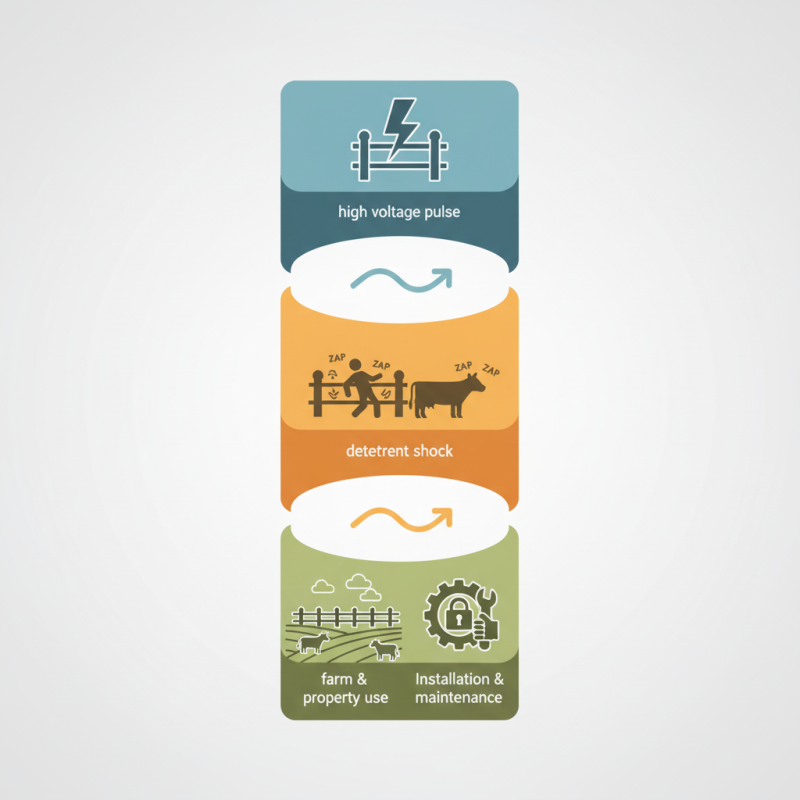
A high voltage output electric fence is an innovative security solution. It serves as a deterrent against unwanted intruders and animals. This type of fence works by delivering a high-voltage pulse through wires, creating a shock. The shock is not lethal but is strong enough to discourage trespassing.
These fences are often used on farms and properties. Livestock owners appreciate the benefits. They keep animals safe and reduce the risk of escape. However, many still have questions about effectiveness and safety concerns.
Some users report discomfort from the shock, while others emphasize its usefulness. An electric fence requires careful installation and maintenance. Understanding its operation is essential for safety and performance. Even with precautions, occasional issues and misunderstandings can arise.
Definition of High Voltage Output Electric Fences
High voltage output electric fences are designed to create a strong deterrent for animals. They utilize high voltage currents to deliver short bursts of electricity. This shock is not lethal, but it is certainly startling. It teaches animals to avoid crossing the fence line.
These fences are composed of wires connected to an energizer. The energizer sends periodic electrical pulses along the wire. The high voltage can reach several thousand volts, ensuring it captures the attention of any intruding animal. As the animal makes contact with the fence, it receives a brief shock. This experience is unpleasant, reinforcing the boundary effectively.
Setting up a high voltage output electric fence requires careful planning. Individuals must measure the area accurately and choose appropriate materials. Some may overlook grounding, a critical factor for the fence's efficiency. Proper care and maintenance also demand attention. Neglecting these aspects can lead to diminished performance. A well-functioning electric fence does not only keep animals in or out; it also protects crops and property. The effectiveness hinges not only on the equipment but also on human diligence.
Components of a High Voltage Electric Fence System
high voltage output electric fences are designed to protect properties. These systems deliver a powerful electric shock. The primary components include an energizer, fencing wire, insulators, and grounding rods. Each part plays a crucial role in ensuring the fence works effectively.
The energizer generates the high voltage needed to create a shock. It connects to the battery or outlet, feeding energy into the fencing wire. Insulators keep the wire isolated, preventing the energy from discharging prematurely. These ensure the shock travels the length of the fence without interruption. Grounding rods are crucial; they help the system maintain a stable charge and ensure safety.
**Tips:** Inspect your fence regularly. Look for loose wires or damaged components. These can affect performance. Keep vegetation away; overgrown plants can short-circuit the fence. Proper maintenance is key for effectiveness. Remember, even a small gap can compromise your fence. Stay vigilant!
How High Voltage Electric Fences Generate Electric Shock
High voltage electric fences are designed to deter intruders and keep animals in designated areas. They do this by delivering an electric shock when touched. The shocks are painful but not usually fatal. This is an essential feature for their effectiveness.
These fences work by generating a high voltage pulse. The power source cycles electricity through the wire. When a person or animal comes into contact with the fence, a circuit is completed. This allows a brief but intense electric shock to travel through. The shock lasts only a split second. However, it is enough to discourage many from attempting to breach the barrier.
Some people lament the system's potential dangers. An unintentional shock could cause injury, especially for children or pets. Unexpected circumstances often lead to confusion about safety. The need for proper signage and awareness becomes vital. With a clearer understanding, users can minimize risks while benefiting from the fence's protective abilities.
Applications and Benefits of High Voltage Electric Fences
High voltage electric fences serve various applications, particularly in agriculture and security. These fences emit a strong electric shock when touched, discouraging animals from crossing boundaries. According to industry reports, they can deter wildlife, livestock, and intruders effectively. A single high voltage electric fence can protect over 100 acres of farmland. This cost-effective solution reduces the need for extensive physical barriers.
To enhance security, many facilities employ high voltage fences. They are common around prisons and sensitive installations. A study indicated that electric fences reduce unlawful entries by as much as 80%. However, the installation must be thoughtful. Poorly installed fences can lead to false alarms or ineffective deterrence.
High voltage fences also encourage efficient land management. They can create rotational grazing systems, allowing land to rest. Moreover, these setups can be inexpensive to maintain. Regular checks are essential for ensuring effectiveness. Yet, some landowners report occasional issues with fence performance, highlighting the need for continuous assessment.
What is a high voltage output electric fence and how does it work? - Applications and Benefits of High Voltage Electric Fences
| Feature | Description |
| Voltage Output | Typically ranges from 2,000 to 10,000 volts. |
| Working Principle | Delivers short, high-voltage pulses that cause a brief discomfort to animals or intruders. |
| Applications | Agriculture, property security, wildlife management, and perimeter fencing. |
| Benefits | Effective deterrent, low maintenance costs, and can cover large areas economically. |
| Safety Features | Includes grounding systems, warning signs, and timers for safety. |
| Environmental Considerations | Solar-powered options available, minimal ecological impact when installed correctly. |
Safety Precautions and Maintenance for Electric Fences
Electric fences provide an efficient way to manage livestock and protect property. However, safety is paramount. It's essential to maintain and operate them correctly. A high voltage output can deter animals, but improper handling can lead to serious accidents.
Always check the fence for wear and tear. Inspect the wires regularly for damage. Look for rust or corrosion. Animals can be unpredictable, so ensure the voltage is consistent. If someone touches the fence unexpectedly, it could cause harm. Keep children and pets away from the area.
Here are some tips for safety: Use warning signs around the electric fence. This helps others understand the risks. Ensure all connections are secure. Loose wires can pose a danger. Test the voltage levels periodically. If they drop, you may need a professional's help. Consider installing a gate switch for easy access without risks.
Remember, prevention is better than cure. Reflect on your actions and ensure you follow all safety protocols. This way, you can enjoy the benefits of your electric fence without unnecessary hazards.