What is LED Poster Display and How Does It Work?
In the evolving world of digital advertising, the LED Poster Display has emerged as a powerful tool for brands. John Smith, a leading expert in visual technology, states, "LED Poster Displays are transforming how businesses engage with customers." This innovation allows companies to showcase vibrant, eye-catching visuals that captivate audiences.
The technology behind LED Poster Displays is fascinating. They operate using a matrix of light-emitting diodes, providing bright and rich colors. The portability of these displays makes them versatile for various venues, from shopping malls to exhibitions. Yet, despite their brilliance, some challenges remain. For instance, the cost of installation and maintenance can be high.
As this technology spreads, we must reflect on its impact. Is the rush towards digital displays overshadowing traditional marketing methods? Could the reliance on screens affect personal interactions? These questions are crucial as we delve deeper into the world of LED Poster Displays.
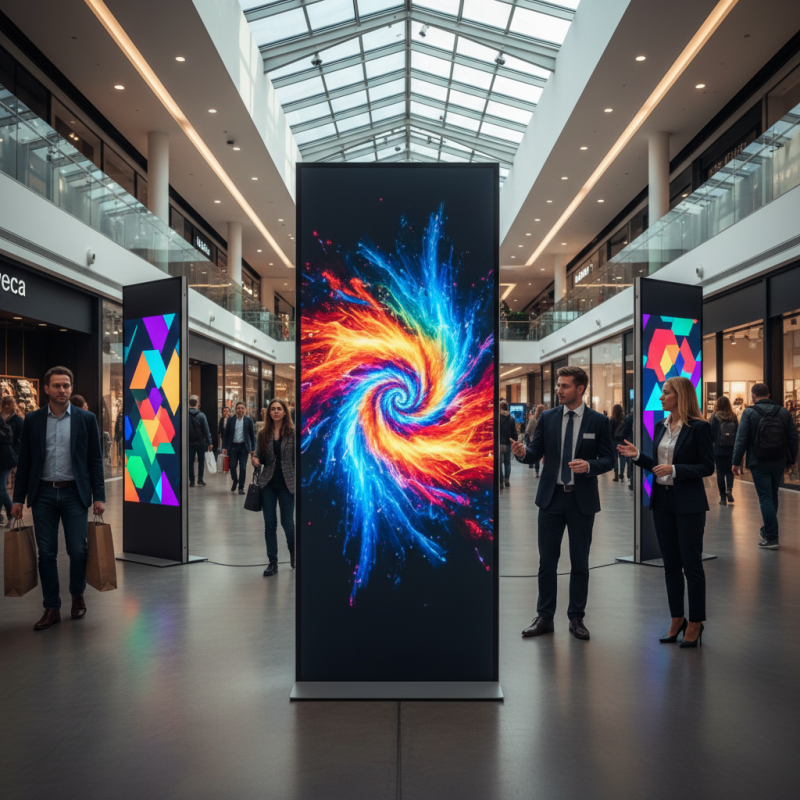
What is an LED Poster Display?
An LED poster display is an innovative technology that combines visual appeal and high functionality. These displays use light-emitting diodes (LEDs) to create vibrant images and animations. They are lightweight and slim, making them easy to install in various settings. Their portability allows for quick changes in location, adapting to different events or venues.
The clarity of images on these screens is remarkable. They can capture attention from a distance, making them great for advertising. The brightness is adjustable, ensuring visibility in both indoor and outdoor environments. However, they require proper maintenance to ensure longevity. Users sometimes overlook the need to clean the screens regularly. Dust and fingerprints can accumulate, diminishing the quality of the display.
While these displays are popular, they come with challenges. The initial investment can be significant. Furthermore, understanding the technology can be daunting for some. Inexperienced users might struggle with setup or configuration, leading to frustration. It’s essential to weigh the pros and cons before making a decision. The flexibility and effectiveness of LED poster displays continue to evolve, offering new opportunities for engaging audiences.
Key Features of LED Poster Displays
LED poster displays are gaining popularity for their unique ability to capture attention. These displays are vibrant and dynamic. They are widely used in retail, events, and advertising. According to industry reports, the global LED display market is projected to reach $30 billion by 2027. This impressive growth highlights the demand for high-quality visuals in various sectors.
Key features of LED poster displays include high resolution and brightness. With pixel pitches ranging from 1.5mm to 10mm, they offer clear images even from a distance. Many models support full HD video playback, creating engaging content. Additionally, LED posters are energy-efficient. They consume less power compared to traditional displays, which can lead to significant cost savings.
Another essential feature is their lightweight and portable design. This allows easy installation and repositioning. However, despite these advantages, LED posters are not without flaws. Some users report issues with color consistency over time. Managing content updates can also be challenging for businesses without dedicated staff. As the technology evolves, addressing these concerns will be crucial for maximizing the benefits of LED poster displays.
How LED Poster Displays Work: The Technology Explained
LED poster displays have transformed advertising with vibrant visuals. They use light-emitting diodes (LEDs) to create bright images and videos. This technology allows businesses to convey messages dynamically. According to industry reports, the global LED display market is expected to reach $28 billion by 2026.
The technology behind LED posters is quite sophisticated. Each display is made of numerous LEDs that work together to form high-resolution visuals. These displays are energy-efficient and have a lifespan of over 100,000 hours. However, keeping up with the latest trends and consumer preferences can be a challenge. It is essential to ensure content is engaging and updated regularly.
Tips: Utilize bright colors to grab attention. Consider the placement carefully. High foot-traffic areas can maximize visibility. Sometimes, less is more; avoid clutter in your visuals. Clear, concise messaging works best. Balancing creativity with simplicity can lead to success, but don’t forget to evaluate what works. Regularly analyze viewer engagement and adjust accordingly. Experimenting with different layouts can enhance appeal, but be mindful of your audience's response.
LED Poster Display Technology Overview
This bar chart illustrates key characteristics of LED poster displays, including brightness in nits, power consumption in watts, lifespan in hours, and resolution in pixels.
Applications of LED Poster Displays in Various Industries
LED poster displays have transformed the way businesses communicate with their audiences. These vibrant screens are now widely used in various industries. Retail shops often use them to showcase promotions and new arrivals. The bright colors and animations attract customers’ attention. This helps increase foot traffic and sales significantly.
In the events sector, LED poster displays serve a different purpose. They are commonly used for advertising upcoming events or sharing real-time information. Event organizers utilize these displays to create an engaging environment. However, technical issues sometimes arise, such as connectivity problems or alignment errors. These can disrupt the flow of the event, so careful planning is crucial.
Another prominent application is in the hospitality industry. Hotels and restaurants use LED displays to enhance the guest experience. Menus, entertainment options, and special offers are easily displayed. Yet, the challenge remains in keeping content fresh and relevant. Outdated information can lead to guest frustration and disappointment. Balancing creativity and practicality is an ongoing task for businesses utilizing this technology.
Benefits of Using LED Poster Displays for Advertising and Promotion
LED poster displays are revolutionizing advertising strategies. These vibrant and eye-catching displays grab attention instantly. Marketers appreciate their ability to convey messages dynamically. In stores or at events, these screens showcase videos, animations, and images effectively. The flexibility in content allows for quick updates, making them ideal for time-sensitive promotions.
Another advantage is their energy efficiency. Unlike traditional displays, LED posters consume less power. This reduces both costs and environmental impact. Their lightweight design allows easy setup and relocation. Businesses can rearrange displays based on foot traffic patterns. However, some places may struggle with brightness levels in direct sunlight. This aspect requires consideration.
Moreover, LED poster displays enhance customer engagement. They invite interaction through QR codes or social media links. This connection can lead to increased sales. However, it’s vital to ensure the content is compelling and relevant. Poorly designed visuals can have the opposite effect. Businesses should constantly evaluate their approaches to maximize effectiveness. Challenges may arise, but the potential benefits of LED poster displays are significant.
What is LED Poster Display and How Does It Work? - Benefits of Using LED Poster Displays for Advertising and Promotion
| Dimension | Description | Benefits | Applications |
| Brightness | High brightness levels for clear visibility in varied lighting conditions. | Attracts attention even in bright sunlight. | Outdoor advertising, trade shows |
| Resolution | Varies from low to ultra-high definition, depending on pixel pitch. | Allows for detailed and vibrant visuals. | Retail displays, exhibitions |
| Size | Available in various sizes for different display needs. | Flexible to fit specific advertising locations. | Shopping malls, airports |
| Interactivity | Many displays support touch input or QR code scanning. | Engages customers and encourages interaction. | Event promotions, informational kiosks |
| Energy Efficiency | Low power consumption compared to traditional displays. | Reduces operational costs. | Corporate advertising, public service announcements |
