What is Led Track Lighting and Its Benefits for Buyers?
LED track lighting has emerged as a transformative solution in modern interior design. It's not just about illumination; it's about creating a mood and highlighting spaces effectively. According to a recent report from the Department of Energy, LED lighting can reduce energy consumption by up to 75% compared to traditional lighting. This statistic alone showcases the efficiency and cost-effectiveness of LED track lighting.
The versatility of LED track systems is impressive. Buyers can easily adjust fixtures to focus light on specific areas, making it ideal for art galleries, retail environments, and home interiors. A study by the National Electrical Manufacturers Association reveals that more consumers are opting for LED solutions due to their longevity and reduced maintenance costs. LED track lighting can last up to 25,000 hours, significantly lowering replacement frequency.
However, potential buyers should reflect on their specific needs. While LED track lighting offers many advantages, not all systems are created equal. Some may find the upfront cost daunting. Yet, the long-term savings often outweigh initial investments. Understanding the balance between cost and energy efficiency is crucial for making informed decisions.
What is Led Track Lighting? A Brief Overview
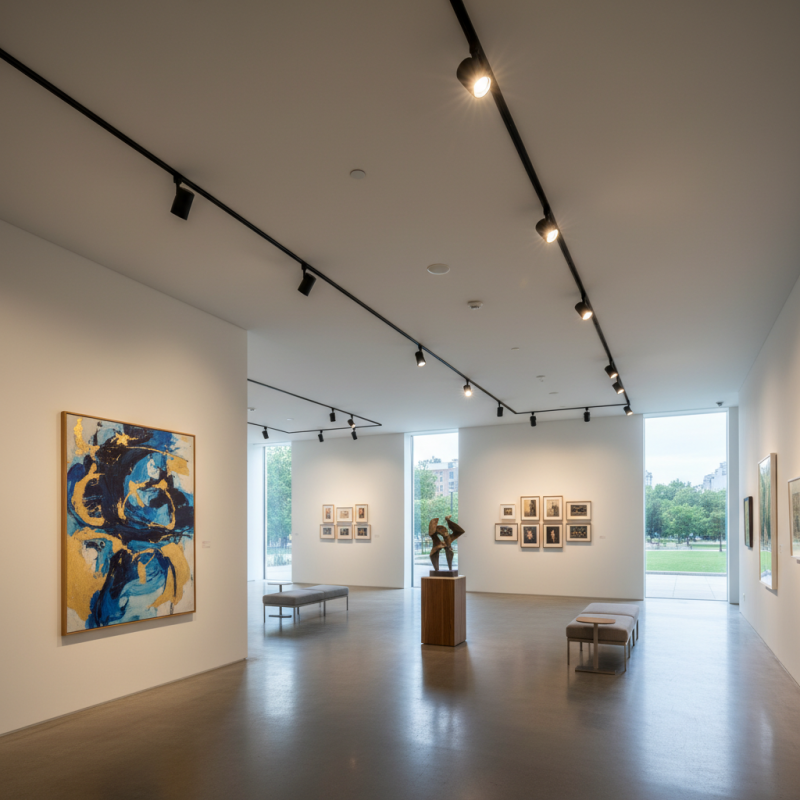
LED track lighting is an innovative solution for various spaces, offering versatility and energy efficiency. Unlike traditional lighting, LED track systems allow users to adjust and direct light where it is needed most. This flexibility makes it ideal for both residential and commercial settings. According to a report by the U.S. Department of Energy, LED lights consume at least 75% less energy than incandescent lighting, which translates into significant cost savings over time.
The design of LED track lighting is not just functional but also aesthetically pleasing. Many users appreciate how it enhances the ambiance of a room while highlighting specific areas or artwork. Some studies suggest that well-placed track lights can increase the perceived value of a space by creating a more inviting atmosphere. However, the installation process may require professional assistance, which could be a hurdle for some buyers looking for a DIY solution.
While LED technology comes with a higher initial cost, the long-term benefits are substantial. LEDs last up to 25 times longer than traditional bulbs and reduce maintenance needs. For those contemplating upgrades, it’s essential to weigh both the immediate expenses and the future savings. Ultimately, investing in LED track lighting can promote sustainability while enhancing interior design. An educated choice can lead to a more attractive and efficient space.
Benefits of LED Track Lighting
Essential Components of Led Track Lighting Systems
LED track lighting systems consist of several essential components that contribute to their effectiveness and versatility. The track itself is a metallic channel mounted on ceilings or walls. This track is where the light fixtures are attached, allowing for easy repositioning and adjustments. Users can slide fixtures along the track, directing light to various areas of a room. This flexibility is one of the crucial benefits of LED track lighting, making it suitable for both residential and commercial spaces.
Another vital component is the LED light fixtures. These fixtures come in various designs, shapes, and sizes, catering to diverse aesthetic preferences. They often feature adjustable heads, which can pivot to focus light where it is most needed. This targeted lighting is particularly useful in art galleries or dining areas, enhancing visibility and ambiance. However, improper placement or the wrong fixture type can lead to ineffective lighting, necessitating careful planning and consideration by buyers.
Lastly, the power supply plays a significant role in how track lighting functions. Many systems use low-voltage power supplies, which can improve energy efficiency. However, buyers should ensure compatibility between the power supply and the track lighting components. With numerous options available, making informed choices is essential. In the end, understanding these components can greatly enhance the performance of LED track lighting systems in any space.
Key Benefits of Using Led Track Lighting for Homeowners
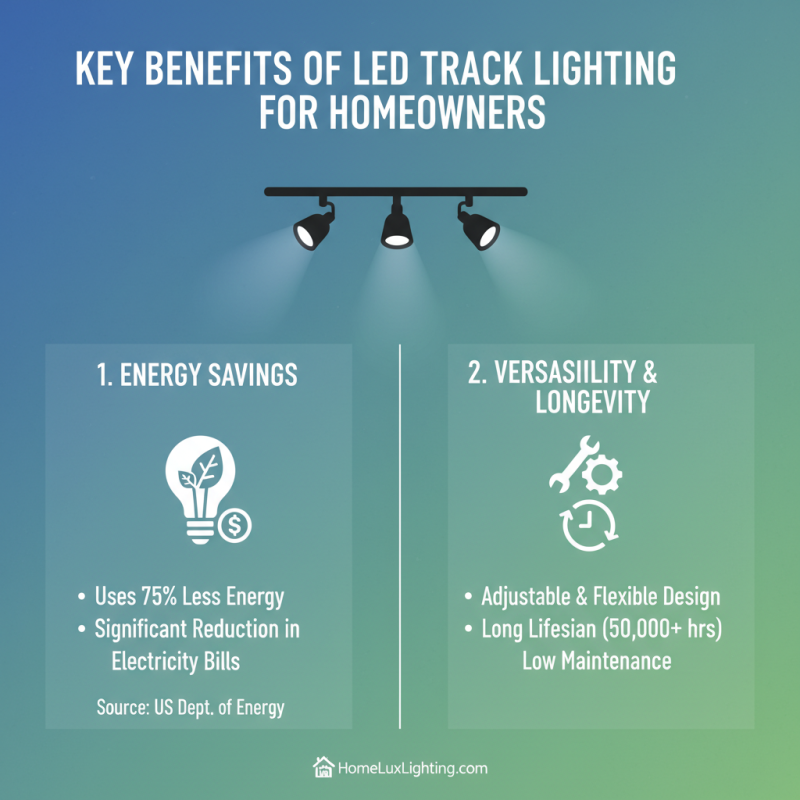
LED track lighting is becoming increasingly popular among homeowners for its versatility and efficiency. One of the key benefits is energy savings. According to the U.S. Department of Energy, LED lights use at least 75% less energy than traditional incandescent bulbs. This can significantly reduce electricity bills over time, allowing homeowners to invest in other areas of their homes.
Another advantage is the flexibility in design. LED track lights can be adjusted to highlight artwork or architectural features. Homes with high ceilings can greatly benefit from this lighting style, creating a more dynamic environment. A 2021 market analysis revealed that 60% of homeowners prefer adjustable lighting solutions, reflecting the growing trend toward customizable home aesthetics.
However, homeowners must consider installation and maintenance costs. While LEDs have a long lifespan, the initial investment can be higher than traditional lighting. Many individuals underestimate installation complexities, which can lead to unexpected expenses. Understanding these factors is crucial for making an informed decision about integrating LED track lighting into home design.
Energy Efficiency: Cost Savings of Led Track Lighting Compared to Traditional Options
LED track lighting offers significant energy efficiency advantages over traditional lighting options, particularly incandescent and fluorescent bulbs. According to the U.S. Department of Energy, LED lights use at least 75% less energy than incandescent lighting. As a result, homeowners can expect marked reductions in their electricity bills. For instance, switching to LED track lighting can cut costs by $30 or more annually for each light fixture.
Furthermore, LED track lighting has a longer lifespan than traditional bulbs. LED fixtures can last up to 25,000 hours compared to just 1,000 hours for incandescent bulbs. This longevity reduces the frequency of replacements, leading to further cost savings. Energy Star reports that homes using LED lights can save over $500 in energy costs over the lifespan of the fixtures.
However, there may be initial hesitations about switching, due to the upfront costs of LED products. Some consumers feel overwhelmed by the range of options on the market. While LEDs can sometimes be more expensive at the point of purchase, the long-term savings can outweigh the initial investment. It’s essential for buyers to weigh these factors carefully while considering their overall lighting needs.
Applications of Led Track Lighting in Residential and Commercial Spaces
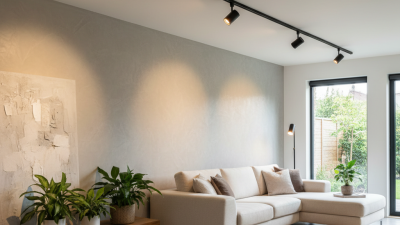
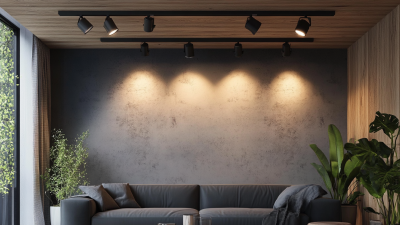
LED track lighting is becoming popular for both homes and businesses. In residential spaces, it offers flexibility. Homeowners use adjustable track lights to highlight artwork or create ambiance in living areas. Kitchens benefit from focused lighting, improving task visibility.
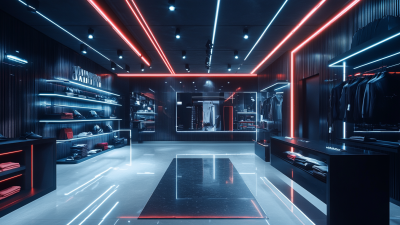
In commercial settings, LED track lighting enhances product displays. Retailers often use these lights to draw attention to new arrivals. Hotels use track lighting in lobbies to create a welcoming atmosphere. These lights add sophistication while being energy-efficient.
**Tips:** Consider the placement of your track lights. They should illuminate key areas without causing glare. Choose adjustable heads for versatility. Regularly clean the fixtures to maintain brightness. You might need to rethink your setup if certain areas remain dim.
What is Led Track Lighting and Its Benefits for Buyers?
| Application |
Description |
Benefits |
| Residential Spaces |
Used for accent lighting, highlighting artwork, and general room illumination. |
Flexibility in design, energy efficiency, and enhanced aesthetics. |
| Retail Environments |
Focuses on product display lighting and creating an inviting atmosphere. |
Improved product visibility and increased customer engagement. |
| Commercial Offices |
Provides focused lighting for workspaces and conference areas. |
Enhanced productivity and a professional ambiance. |
| Art Galleries |
Designed to showcase artwork with ambient lighting and dramatic effects. |
Highlights art details and fosters an emotional response from viewers. |
| Hospitality Venues |
Creates mood lighting for restaurants, hotels, and lounges. |
Adds to guest experience and atmosphere while optimizing energy usage. |