Top Tips for Choosing the Right Beam Moving Head Light?
Choosing the right Beam Moving Head Light can significantly impact your event's visual experience. According to a report by Research and Markets, the global stage lighting market is projected to reach $5 billion by 2025. This growth highlights the importance of choosing the right equipment to stand out in competitive environments.
Beam Moving Head Lights excel in dynamic performances. They offer precision and versatility. However, selecting the best model can be challenging. Factors like brightness, color options, and movement speed matter. A comprehensive understanding of these aspects can prevent costly mistakes.
It's important to note that not all brands offer the same quality. Some products may not meet industry standards, leading to unsatisfactory performances. Relying on personal experience or outdated reviews could lead to poor decisions. Prioritize reliability and quality over flashy features. Choose wisely to ensure a successful lighting setup.
Understanding Beam Moving Head Lights: Key Features and Functions
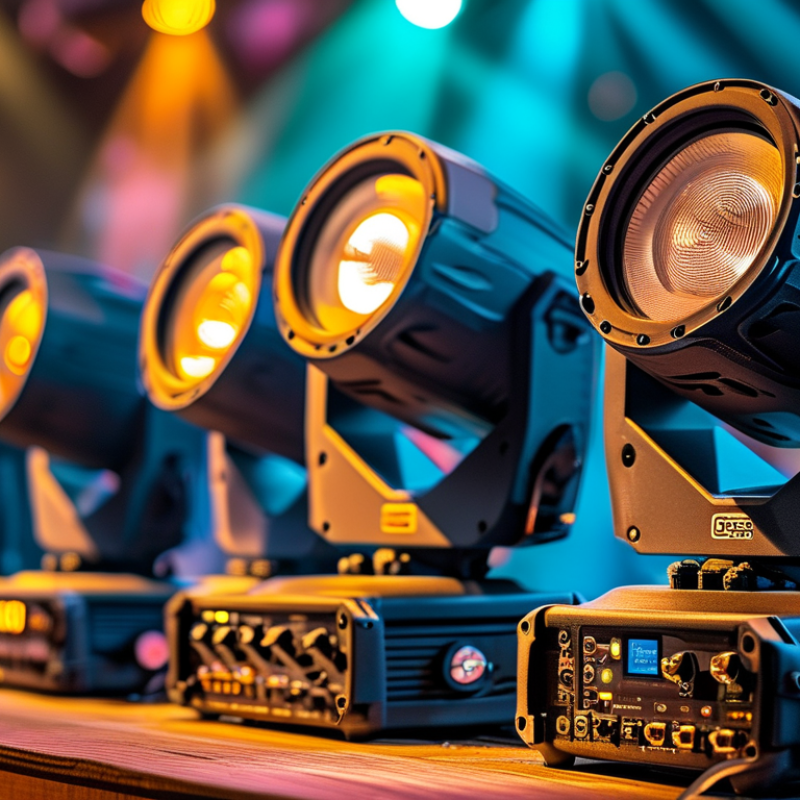
When selecting a beam moving head light, understanding its key features is crucial. These lights are designed to create sharp, focused beams, ideal for events like concerts and theater productions. Consider the wattage, typically ranging from 100W to 600W. Higher wattage means brighter projections but also greater energy consumption.
Another essential feature is the type of optics used. Lenses directly influence the beam's sharpness and pattern. Some models allow for adjustable beam angles, giving flexibility in how light is dispersed. Additionally, check the pan and tilt capabilities. Smooth, precise movements enhance the visual spectacle.
Don’t overlook the importance of color mixing. Models that feature RGB color mixing can produce a wider variety of hues, enhancing the overall lighting design. However, note that some lower-end models may lack this functionality. If your budget permits, investing in higher-quality fixtures often yields better results. It’s wise to review specifications and user reviews, as experiences may vary significantly.
Top Tips for Choosing the Right Beam Moving Head Light | Feature | Description | Importance |
| Light Source | Types of bulbs used, such as LED or discharge lamps. | Affects brightness, energy efficiency, and lifespan. |
| Beam Angle | The spread of the light beam, typically measured in degrees. | Determines the coverage area and effect of the light. |
| Pan and Tilt Range | The movement capability of the light head in degrees. | Essential for dynamic lighting effects and coverage. |
| Control Protocols | Compatibility with DMX, ArtNet, or other control systems. | Important for integration into lighting setups. |
| Build Quality | Material and durability of the fixture. | Influences lifespan and reliability under various conditions. |
| Color Options | Capabilities for color mixing and preset selection. | Enhances versatility for different events. |
| Size & Weight | Physical dimensions and weight of the light fixture. | Affects portability and installation options. |
| Price Range | Cost category based on feature set and performance. | Key consideration for budget planning. |
Evaluating Brightness: Lumens and Wattage Considerations in Lighting
When selecting a beam moving head light, brightness is essential. Lumens measure the light output. Higher lumens indicate a brighter light. For vibrant shows, lights with 15,000 lumens are often recommended. Meanwhile, wattage affects power consumption. An efficient light can achieve high brightness with lower wattage.
Understanding this balance is crucial. A moving head light may have high lumens, but if its wattage is too high, it could lead to energy inefficiency. Industry reports suggest that lighting professionals prefer fixtures with at least 100 watts for effective application. Excess power often results in heat. Managing this heat is vital for longevity and performance.
This decision can impact the overall experience of the audience. Consideration of lumens and wattage helps ensure quality lighting. The right balance can enhance visual impact while being energy conscious. Optimal choices lead to satisfying results. Each venue has unique requirements, making it important to evaluate these factors carefully.
Beam Angle Choices: Impact on Projection and Coverage Area
When choosing a beam moving head light, understanding beam angles is crucial. The beam angle directly affects how light spreads and fills a space. A narrow beam creates a concentrated spot, ideal for highlighting specific areas or features. This is especially useful in concerts or theatrical performances. In contrast, a wider beam can cover larger areas, providing an ambient wash that enhances the overall environment.
Selecting the right beam angle depends on your venue and desired effect. For smaller rooms, a narrow angle might seem excessive. In larger spaces, it could lack coverage. Testing lights in different conditions can provide valuable insights. Observing how light interacts with surfaces can reveal unexpected results. Aim to gather data on how different angles project light.
Experimenting with various beam angles will refine your decision-making process. Keeping a flexible mindset helps adapt to specific needs as they arise. Think about how light shapes a scene. Reflect on how each angle contributes to the atmosphere. Enhancing coverage while managing intensity adds complexity. Each selection should be a balance between creativity and practicality.
Assessing Build Quality: Durability and Performance Under Various Conditions
When selecting beam moving head lights, assessing build quality is crucial. Durability can impact performance in challenging environments. Many lights endure harsh weather, but not all can maintain high performance. Reports indicate that nearly 30% of lighting failures in outdoor events stem from inadequate weather resistance.
Performance under extreme conditions often reveals limitations. A significant number of low-quality lights degrade rapidly in high humidity or temperature fluctuations. Choosing a light with a robust housing and effective heat management can significantly enhance longevity. A study showed that equipment with superior cooling systems lasted 40% longer than those without.
Another aspect to consider is the ease of maintenance. High-quality moving head lights should allow for quick repairs or lamp replacement. If a device is difficult to maintain, it may hinder operational efficiency during events. Contracting with industry professionals for recommendations can provide insights on reliable models.
Understanding Control Protocols: DMX Compatibility and Integration Options
When choosing a beam moving head light, understanding control protocols is crucial. DMX compatibility plays a key role in how well your lighting system integrates with other equipment. This includes not just the lights, but also controllers, dimmers, and fog machines. Without proper compatibility, you may face limitations that hinder creativity in your setup.
It's also essential to consider integration options. Some lights offer advanced integration with software for more complex shows. Others might just provide basic DMX control. Connecting lights to a network can simplify operation. However, not all moving head lights will seamlessly integrate with existing setups. You need to plan carefully to avoid a tangled mess of wires and incompatibilities.
Many users overlook the importance of updating firmware and software. New versions can bring significant improvements. Ignoring these updates might lead to missed features or even malfunctioning equipment. Reflecting on past experiences can guide your decision-making process. Always be vigilant about the specifications and features of the lighting technology you choose.
Top Tips for Choosing the Right Beam Moving Head Light
