
Edison LED Lighting

Shop

Projects

Top 10 Tips for Safely Using Lithium Batteries

Lithium Batteries power many devices in our daily lives. From smartphones to electric cars, their presence is undeniable. Dr. Lisa Chen, a leading expert in battery technology, emphasizes, “Understanding lithium batteries is crucial for safe usage.” This highlights the importance of safe practices.

Lithium batteries can be hazardous if not handled properly. They may overheat or even explode in extreme situations. By following specific tips, you can mitigate risks. For instance, avoid exposing batteries to high temperatures. Also, remember to store them in dry places. Small mistakes can lead to big problems.

In today’s world, we rely heavily on lithium batteries. Thus, prioritizing safety is essential. It’s not only about convenience; it’s about preventing accidents. Take the time to learn and follow best practices. The more informed we are, the safer we’ll be in using lithium batteries.
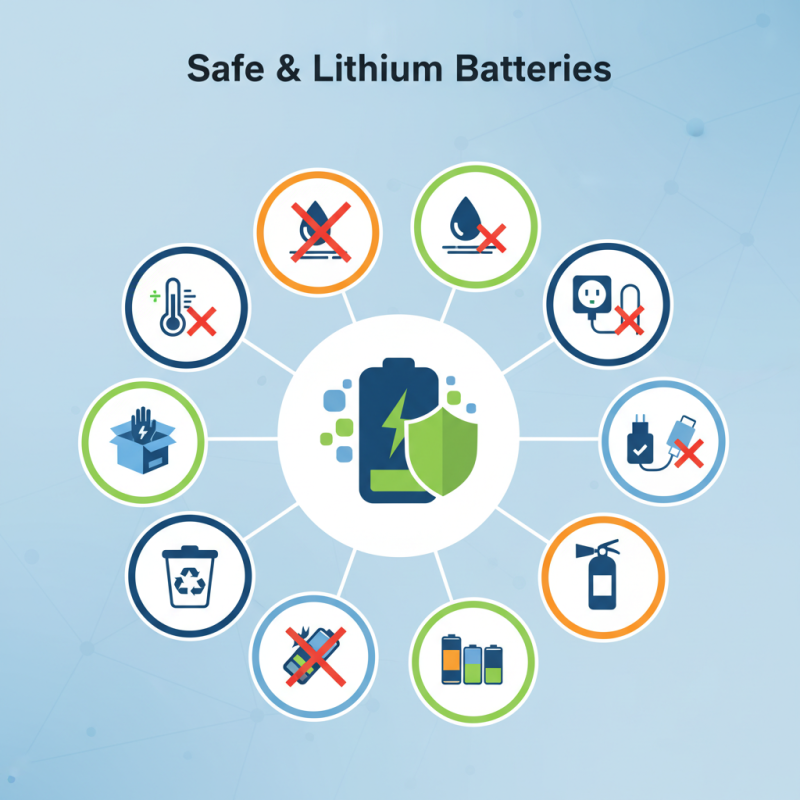
Top 10 Tips for Safely Using Lithium Batteries

Understanding Lithium Battery Basics and Common Uses

Lithium batteries are essential in our daily lives. They power phones, laptops, and electric vehicles. Understanding these batteries helps us use them safely. They store a lot of energy in a small size. This compactness makes them popular. However, it also means they can be dangerous if mishandled.

Charging methods vary among devices. Overcharging can lead to overheating. For safety, always use the recommended charger. Avoid exposing batteries to extreme temperatures. High heat can cause them to swell or leak. Low temperatures might affect performance. Battery life can suffer over time. Periodically checking for damage is wise.

In our fast-paced world, we sometimes overlook battery care. It’s easy to ignore warning signs. A bulging battery is not just an inconvenience; it poses risks. Dispose of old batteries correctly. They contain materials that can harm the environment. Reflecting on these aspects can lead to safer usage.

Identifying Common Risks Associated with Lithium Batteries

Lithium batteries power countless devices today. However, they come with risks that users must recognize. A report by the National Fire Protection Association indicates that lithium batteries are involved in more than 60% of battery-related fire incidents. Misuse and poor handling often cause these fires. Improper charging, overheating, and physical damage are common triggers.

Identifying these risks is crucial. For instance, puncturing a lithium battery may lead to thermal runaway, causing fires or explosions. According to the Battery Safety Council, over 10,000 fires linked to lithium-ion batteries occurred in 2022 alone. Users often overlook these dangers when they store batteries in hot environments or charge damaged units. Not addressing these practices may result in severe accidents.

Proper disposal also presents a challenge. Many users place lithium batteries in regular trash, leading to potential environmental hazards. Inadequate awareness of recycling programs exacerbates this issue. Collectively, these problems highlight the need for education. Users must understand the risks and adjust their practices to ensure safety. Our reliance on these batteries should not compromise our security.

Best Practices for Charging and Storing Lithium Batteries

When it comes to charging lithium batteries, knowing the right practices can make a big difference. Always use the charger designed for your battery. A wrong charger can lead to overheating. Over time, batteries can degrade, but following proper charging methods can extend their life. Avoid charging them in damp areas. Moisture can create risks.

Storing lithium batteries requires attention too. Keep them in a cool, dry place. High temperatures can damage the battery's structure. It’s wise to store them with around 50% charge. This balance helps maintain health over time. Check on them periodically. If you notice any swelling or leakage, discard them immediately. Ignoring signs can be dangerous.

Always remember to avoid leaving batteries in direct sunlight. This can increase the risk of fire. If you have multiple batteries, keep them organized. A messy storage area can lead to accidents. Make it a habit to review your battery storage regularly. Reflecting on these practices can improve safety. Everyone can become more mindful with a little effort.

Signs of Lithium Battery Damage and How to Handle Them Safely

When using lithium batteries, knowing the signs of damage is crucial. Look for swelling or deformation. If a battery feels unusually hot, it may indicate a problem. Cracks or leaks are serious warning signs. These issues can lead to overheating or even fires.

Handling damaged batteries requires caution. Always wear gloves when touching them. Place the battery in a safe, non-flammable container. Avoid using water on battery spills; it can worsen the situation. Instead, use sand or a specialized absorbing material. If you notice smoke or a burning smell, evacuate the area immediately.

Disposing of damaged batteries safely is essential. Many areas have specific drop-off locations. Don’t simply throw them away. Educating yourself about battery safety can prevent accidents. Ignoring the signs may lead to severe consequences. Reflecting on your battery use habits is critical for safety.

Proper Disposal and Recycling Methods for Lithium Batteries

Proper disposal and recycling methods for lithium batteries are crucial for safety and environmental reasons. Many people are unaware of the risks these batteries pose when disposed of incorrectly. Throwing them in regular trash can lead to fires or toxic leaks. It is essential to find certified recycling centers that accept lithium batteries.

Local waste disposal facilities often hold special collection days. Participation in these events helps prevent hazardous waste in landfills. Consider storing used batteries in a safe place until you can recycle them properly. Labeling the storage container can also help avoid confusion. Additionally, some retailers have drop-off programs for batteries. It can be an easy way to ensure responsible disposal.

Do not just toss batteries in any bin. Mismanagement of these items affects our health and surroundings. Awareness is the first step toward accountability. Read the recycling guidelines provided by local authorities. Every small effort counts. Safety should always be a priority.

Top 10 Tips for Safely Using Lithium Batteries - Proper Disposal and Recycling Methods for Lithium Batteries

Tip Number Safety Tip Disposal Method Recycling Location
1 Do not overcharge Place in designated battery recycling bins Local electronic waste recycling center
2 Avoid exposing to extreme temperatures Consult local hazardous waste disposal guidelines Community hazardous waste events
3 Charge in a well-ventilated area Take to a certified battery recycling facility Manufacturer recycling programs
4 Store properly when not in use Throw away in regular trash if non-recyclable N/A
5 Keep away from metal objects Bring to a local recycling event City recycling facilities
6 Monitor for signs of damage or swelling Use take-back programs at retailers Local electronics retailers
7 Never puncture or disassemble Follow your locality's guidelines N/A
8 Avoid mixing old and new batteries Check local guidelines for disposal Local waste management office
9 Use the correct charger for the battery Ship to specialized recycling facilities Mail-in recycling programs
10 Educate others on battery safety Participate in community recycling days Local community centers