What Are the Top Types of Festive Lanterns?
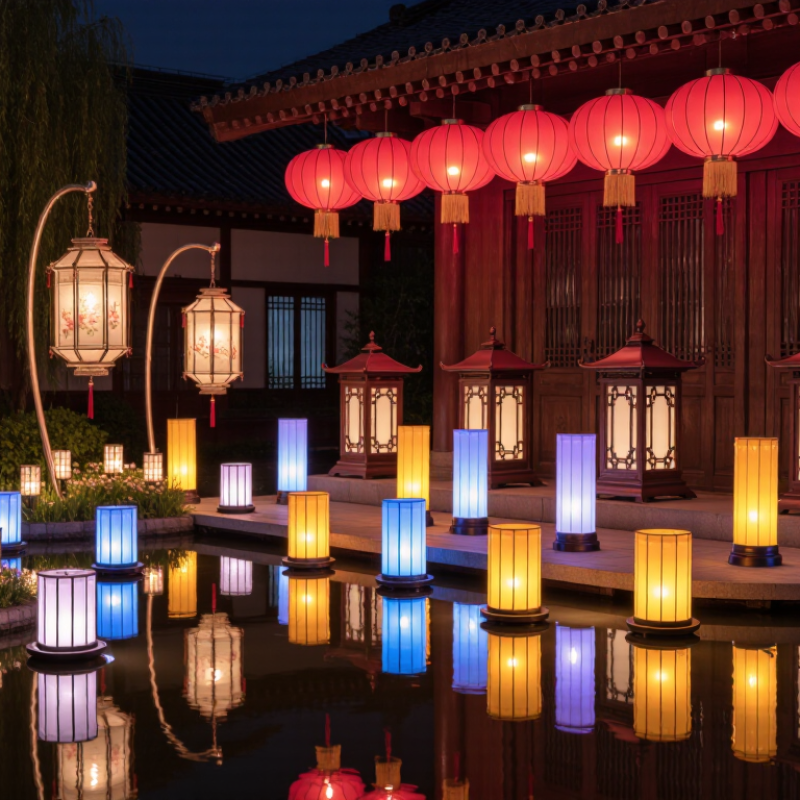
Festive Lanterns turn light into a visible part of celebration. Their forms range from delicate paper globes to silk palace lanterns, metal-framed designs, and modern LED styles. Each creates a different scene: a red lantern glowing above a doorway, or a row of small lights reflected in a courtyard pond. The right choice depends on setting, materials, scale, and how the lantern will be used.
Market reports offer useful context, though they do not always separate festive lanterns from decorative lighting. Grand View Research’s Decorative Lighting Market report tracks the wider category, while the International Energy Agency’s Energy Efficiency 2023 report highlights lighting’s energy implications. The IEA estimates that lighting uses about 15% of global electricity. That figure is not specific to lanterns, but it makes efficiency worth considering. LED lanterns can offer bright, adjustable light with lower energy demand than many traditional bulbs.
Lighting-design expert Thomas E. Farin is often credited with the line, “Light is the first element of design.” It is a helpful principle for comparing lantern types, though it is not a lantern-specific quotation. Small details matter. This guide will explore traditional paper and silk lanterns, ornate metal designs, and contemporary LED and solar options. It will also consider color, durability, and display setting. A neat category list cannot capture every regional craft tradition, and that limitation deserves attention. Still, understanding the main types makes it easier to choose a Festive Lantern that feels beautiful, practical, and appropriate to the occasion.
How Festive Lanterns Are Classified
Festive lanterns are best classified by how they are made, lit, and displayed. These categories often overlap, so one lantern may fit several groups. Start with construction: paper lanterns are light and often translucent, while fabric versions soften the glow. Metal or bamboo frames can provide firmer shapes. Look closely at the seams and joints; a delicate finish may not hold up well outdoors.
Lighting creates another practical distinction. Some lanterns use candles, while others rely on electric bulbs or small LEDs. The light source affects brightness, heat, and where the lantern can be placed. A warm LED can give a paper lantern a gentle amber glow. Small details matter. Check whether the lantern has a stable base, a hanging loop, or both.
Use and setting offer a final way to sort them. Hanging lanterns suit porches and indoor displays, while freestanding designs work on tables or along walkways. Some styles feature seasonal colors, cut-paper patterns, or symbolic shapes tied to local customs. Not every design fits neatly into one category, and that is worth remembering. A lantern chosen for appearance alone may feel awkward in the space where it is actually used.
Traditional Lantern Types and Their Cultural Roles
Traditional lanterns often signal more than celebration; their shapes and colors carry local meanings. In many Chinese communities, red lanterns decorate streets during Lunar New Year, expressing hopes for good fortune and a lively start. Hand-carried lanterns, sometimes shaped like rabbits or fish, turn evening processions into moving displays. Children can see the painted scales glow as candlelight or a small lamp shines through thin paper.
Palace-style lanterns, with wooden frames and layered panels, have traditionally suggested ceremony and refined craftsmanship. Lotus lanterns appear in Buddhist observances and other seasonal celebrations, where the flower can represent purity and renewal. Fish lanterns may evoke abundance, while animal forms often connect festival imagery with local stories. Meanings vary by region and family. The categories are not always tidy. A lantern may serve as decoration, a child’s craft, and a symbol of shared memory at once. Materials matter, too: bamboo, silk, and paper create different textures and patterns. Looking closely at a lantern’s frame, colors, and motifs reveals how communities adapt old customs rather than simply preserve them unchanged.
What Are the Top Types of Festive Lanterns? - Traditional Lantern Types and Their Cultural Roles | Lantern Type | Cultural Setting | Typical Form and Materials | Cultural Role |
| Chinese hanging lantern | Lunar New Year, the Lantern Festival, and other celebrations in Chinese communities | Often a rounded or tiered frame covered with paper or fabric; red is a common festive color, though designs vary. | Decorates streets, homes, and festival spaces. Red lanterns are commonly associated with celebration and good fortune; meanings depend on the occasion and local custom. |
| Japanese chōchin | Japanese festivals, shrine and temple events, and traditional shop or street settings | A lightweight, collapsible lantern traditionally made with a ribbed frame and paper or silk covering; modern versions may use other materials. | Provides light and festive decoration, and can identify gathering places or festival stalls. Designs and uses differ by region and event. |
| Japanese tōrō | Buddhist temples, Shinto shrines, and Obon-related observances | May be a permanent stone or metal lantern, or a temporary paper lantern. During tōrō nagashi, paper lanterns are set afloat in some communities. | Stationary tōrō illuminate religious grounds and pathways. In some Obon observances, floating lanterns form part of ceremonies remembering the dead and marking the close of the observance. |
| Korean lotus lantern (yeondeung) | Yeondeunghoe, Korea’s lantern festival held in connection with Buddha’s Birthday | Often shaped like a lotus and made with colored paper over a frame; festival displays also include varied shapes and sizes. | In Buddhist practice, lanterns can express offerings, wishes, and hopes for wisdom. They are also carried or displayed during public festival processions. |
| Indian ākāsh kandil | Diwali celebrations, especially in parts of western India | A decorative hanging lantern, often made from colored paper or lightweight materials and displayed outside homes. | Adds light and color to Diwali decorations. Forms and names vary by region; it is one element of a wider celebration that may include lamps, rangoli, and family gatherings. |
| Vietnamese silk lantern | Lantern displays and full-moon events in Hội An, Vietnam | Commonly made with a bamboo frame covered in colored silk, with designs ranging from simple forms to decorative shapes. | Illuminates streets and public spaces and is a recognizable part of Hội An’s cultural landscape. Lantern customs and event practices can vary over time and by location. |
Note: Lantern designs, symbolism, and festival practices vary across regions and communities.
Modern Lantern Designs and Materials
Modern festive lanterns pair familiar silhouettes with cleaner shapes: slim cylinders, folded stars, and boxy frames with open sides. Paper remains popular because it glows softly and weighs little. Bamboo ribs add texture, while powder-coated metal supports sharper geometric designs. Acrylic panels can create crisp color, but they may look less warm than paper up close. Small details matter. A visible seam or slightly uneven handmade edge can feel charming, though loose joints deserve a closer look.
Material choice should match where the lantern will hang. For a sheltered porch, treated paper or fabric can work, but damp weather may wrinkle or stain them. Metal and sturdy plastic tolerate outdoor use better, yet dark finishes can become hot in direct sun. For illuminated designs, cool-running LED lights reduce heat near paper and fabric. Check that cords, openings, and hanging loops feel secure before use. Not every finish lasts. Recycled materials can vary in thickness and color, so one lantern may not match another perfectly. That variation is appealing to some people, but it can disappoint anyone seeking a uniform display. Cleaning and storage matter too: foldable frames save space, while delicate panels need a dry, padded place between celebrations.
Lantern styles often combine materials: paper and bamboo are common in traditional designs, while polypropylene, aluminum, and glass appear in modern designs. Bars show approximate material density in kg/m³—not lantern weight or popularity. Actual values vary by material grade and construction.
How Lanterns Are Used in Different Celebrations
Festive lanterns change meaning with the celebration around them. During Lunar New Year, glowing lanterns often line streets and courtyards, guiding visitors toward performances, food stalls, and family gatherings. In parts of South Asia, decorative lanterns brighten homes during Diwali, while in some Muslim communities, lantern motifs appear in Ramadan decorations. Customs vary by region and household. Not every lantern tells the same story.
Materials shape the mood. Red paper lanterns create warm, soft light; bamboo frames and patterned cutouts cast sharper shadows on walls. Metal or fabric lanterns suit outdoor displays, while small electric lanterns work well on crowded tables. The U.S. Department of Energy reports that LED bulbs use at least 75% less energy and can last up to 25 times longer than incandescent bulbs. That makes them a practical choice for displays used over many evenings. Still, cool LEDs can flatten colors, so the light’s tone deserves attention.
Some celebrations use candlelit lanterns for intimate gatherings or processions. They feel personal. They also need supervision: the National Fire Protection Association identifies December as the peak month for home candle fires. Stable surfaces and clear space around flames matter. I have seen carefully arranged lanterns lose their charm when glare overwhelms the patterns. A little unevenness may feel more welcoming than a perfectly matched row.
