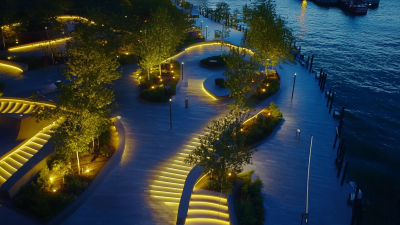
Landscape Lighting in 2026 is less about adding more fixtures and more about placing the right light where people need it. A low path light can reveal a stone edge; a shielded spotlight can bring out a tree’s branching shape. Wall lights support entryways, while underwater fixtures can make a pond visible after dusk. Each type serves a different task, and poor placement can create glare or bright patches instead of a comfortable outdoor scene.
Energy use matters, too. The U.S. Department of Energy’s Energy Saver guidance reports that LED bulbs use at least 75% less energy and can last up to 25 times longer than incandescent bulbs. That comparison is not a landscape-lighting product ranking, and real performance varies by fixture, driver, weather exposure, and installation. Still, it helps explain why low-voltage LED systems are common choices for paths, steps, and garden beds. Check the fixture’s output, color temperature, weather rating, and beam spread—not just its advertised brightness.
There is no universal best type. A narrow beam may suit a mature oak, but overwhelm a small patio. DarkSky International’s outdoor-lighting guidance also emphasizes shielding, warm color, and directing light only where needed. Less glare. That sounds simple, yet it is easy to overlook when choosing fixtures from a catalog. This guide compares practical landscape-lighting types for 2026, including where each works well, what to watch for, and why a restrained design can often feel more welcoming than a brighter one.
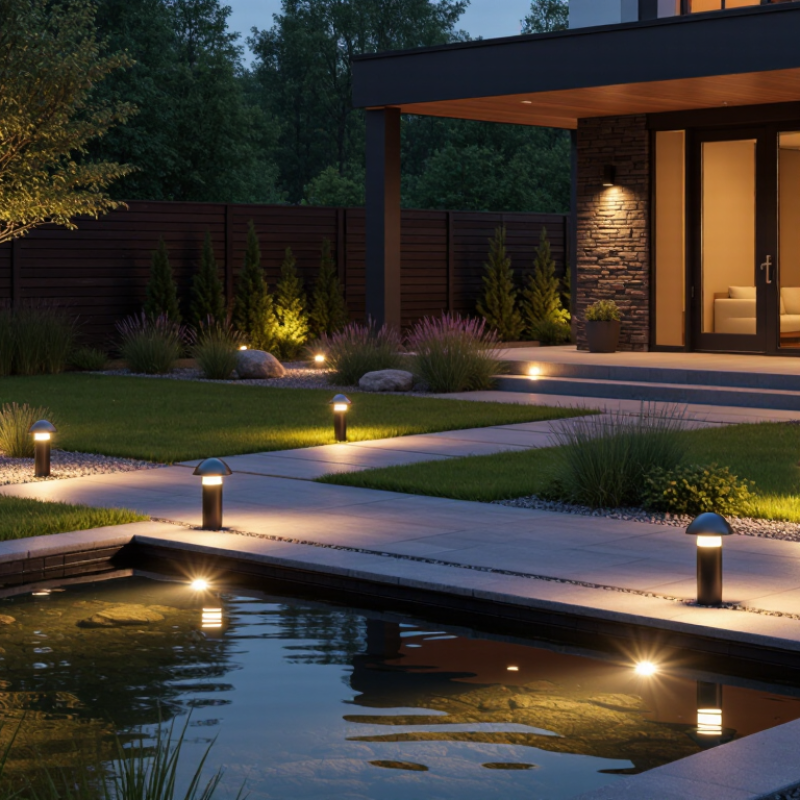
Landscape lighting becomes easier to compare when fixtures are classified by mounting, beam spread, and purpose.
Mounting describes installation position. Stake-mounted path lights sit beside walks, while recessed fixtures blend into steps, decks, or paving. Wall-mounted lights brighten entries and vertical surfaces; adjustable ground spots can aim upward at trees. Check drainage, foot traffic, and maintenance access before choosing a location. A beautiful fixture can become frustrating if leaves hide it or a mower catches it.
Beam spread shapes what the eye sees.
Narrow spot beams highlight tree trunks or sculpture; wider flood beams cover planting beds and facades. Wall-wash beams spread light across surfaces, helping reduce harsh bright patches when aimed carefully.
Purpose adds another filter: task lighting helps people see steps, accent lighting highlights features, and ambient lighting supports outdoor gatherings. These categories overlap, and real yards rarely fit a neat diagram.
Tips: Test one fixture after dusk before installing several. Check for glare from seated eye level, and aim beams away from windows. For safety-critical areas, follow fixture instructions and consult a qualified electrician when needed.
Path lights work best when they reveal the walking surface, not when they form a bright runway. Place low fixtures beside bends, gates, and changes in paving, aiming light across the route rather than into approaching eyes. Keep beams off neighboring windows. A dark gap between pools of light can make a path harder to read, so check the route from a seated viewpoint too.
Steps need clear, even illumination on each tread and landing. Small shielded fixtures can reduce glare while showing the edge of each step. Deck lights serve a different purpose: they can define stair edges, railings, and seating zones without washing out the night sky. Avoid putting bright fixtures directly at eye level. It is an easy mistake.
Energy matters. The U.S. Department of Energy’s LED guidance says residential LEDs use at least 75% less energy and last up to 25 times longer than incandescent lighting. Choose outdoor-rated, dimmable LEDs, then adjust brightness after dark; the brightest setting is rarely the most comfortable. A quick walk in bare feet can reveal awkward shadows or glare. Still, one test is not enough—wet boards and seasonal growth can change what the light shows.
Spotlights, floodlights, and well lights serve different roles in a landscape. A spotlight creates a focused accent on a tree trunk, stone feature, or textured wall. Aim it from the side to reveal bark and surface detail, rather than pointing it straight at a window. Floodlights spread light across broader areas, such as a low garden bed or section of fence. Choose a controlled beam and shield the fixture where possible; wide, unshielded light can cause glare and flatten the scene. Less can be enough.
Well lights sit flush with the ground and send light upward, making them useful for trees, columns, and façades. Keep them clear of standing water and loose soil, and check that their rating suits the location. For any fixture, confirm the light source’s color temperature and beam angle before installation. Warm light often feels gentler around plants and patios, while a narrow beam helps isolate a feature.
Test after dusk. Shadows can shift, and a placement that looks precise at noon may shine into someone’s eyes at night. A simple mock-up with temporary lights can expose that mistake before the final wiring.
For electrical work, follow the fixture instructions and consult a qualified professional when needed.
What Are the Best Landscape Lighting Types in 2026?
For most gardens, LED path lights, shielded spotlights, and low-glare step lights are useful choices. They make edges and changes in level visible without flooding the yard with light. The U.S. Department of Energy’s Energy Saver guidance says LEDs use at least 75% less energy than incandescent lighting. It also reports that LEDs can last up to 25 times longer. These comparisons are against incandescent lamps, not every older outdoor system.
That efficiency adds up across fixtures used from dusk until bedtime. A six-watt LED can replace a much higher-wattage incandescent lamp for similar light output, though the exact replacement depends on the fixture and beam. Check lumens, not watts alone. DOE guidance also stresses that actual savings depend on usage and product choice. Small detail. Big difference. A warm, shielded fixture aimed at a stone path usually feels calmer than a bright beam pointed toward a window.
For a front walk, choose evenly spaced, downward-facing path lights; for trees, use a narrow beam and aim it at the trunk, not the sky. LEDs can have a higher upfront cost, and poor placement still wastes light. That part is easy to overlook. I would treat the 75% figure as a useful benchmark, not a promise for every installation. Before buying, check the fixture’s outdoor rating, replaceable components, and color temperature. DOE data explains the energy case; the final comfort test is how the light looks from the porch at night.
For 2026 landscape lighting, shielding and color temperature matter as much as fixture style. DarkSky’s lighting guidance recommends warm light at 3000 K or lower, directed only where needed. Choose fully shielded fixtures that keep the bulb out of direct view and send light downward. A path light should reveal the paving, not spill across a neighbor’s window or brighten the tree canopy.
The scale of the problem is substantial: the 2016 World Atlas of Artificial Night Sky Brightness reported that more than 80% of the world’s population lives under light-polluted skies. That makes small choices worthwhile. Warm light can make stone and foliage feel less stark, while a shielded beam limits glare. Still, even a well-chosen fixture can be too bright. I’ve seen low garden lights overpower a quiet path simply because too many were installed.
Tips: Use the lowest output that makes steps and edges easy to see. Aim fixtures downward, add shields where needed, and use timers or motion controls to avoid lighting empty spaces all night. Check the view from indoors, too; a bright source can be distracting through a bedroom window.
| Lighting type | Best suited for | Shielding and light control | Suggested color temperature | Practical installation guidance |
|---|---|---|---|---|
| Shielded path light | Walkways, garden paths, and changes in grade | Use a hood or opaque top to direct light downward and keep the light source out of direct view. | 2700 K or lower; up to 3000 K where needed | Space fixtures to provide comfortable visibility without creating a continuous row of bright points. |
| Step and stair light | Stair treads, landings, and low retaining walls beside steps | Recessed or louvered fixtures can direct light onto walking surfaces and reduce glare. | 2700 K or lower; up to 3000 K where needed | Aim for even illumination of the treads; avoid positioning a bare lamp where it shines into approaching eyes. |
| Shielded wall light | Entrances, patios, and outdoor work areas near a building | A full cutoff or otherwise well-shielded design limits upward light and reduces spill beyond the area being lit. | 2700 K or lower; no higher than 3000 K | Choose output appropriate to the task and use a timer, dimmer, or motion control when suitable. |
| Directional spotlight | A specific tree, feature, or architectural detail | Use an aiming shield or glare guard; keep the beam on the intended subject rather than the sky or neighboring property. | 2700 K or lower for a warm appearance; up to 3000 K | Aim carefully and use sparingly. Avoid lighting tree canopies or other features more brightly than necessary. |
| Low-output bollard | Open paths, driveways, and larger pedestrian areas | Select a design with a shielded downward aperture; avoid exposed glowing tops that send light in all directions. | 2700 K or lower; up to 3000 K | Use only where needed, with spacing and output that prevent bright spots and excessive overlap. |
| In-ground uplight | A limited number of columns, walls, or landscape features | Uplighting sends light upward, so use a narrow, well-aimed beam and a visor or shield to control spill and glare. | 2700 K or lower; up to 3000 K | Use selectively and avoid directing light into tree crowns, windows, or the open sky. |
| Shielded area or flood light | A defined service area, side entrance, or small section of a driveway | Use a shielded fixture with a controlled beam and keep the light directed onto the target area. | 2700 K or lower; no higher than 3000 K | Select only the output required for visibility; add motion or time controls to avoid unnecessary all-night lighting. |
Selection note: DarkSky recommends warm-colored outdoor lighting at 3000 K or lower. Lower color temperatures are warmer in appearance; effective shielding, careful aiming, appropriate brightness, and using light only when and where needed are also important.
WhatsApp us