China Top 10 LED Track Light Manufacturers for Global Buyers
China has become a major source of professional lighting products for global buyers. Its Led Track Light manufacturers serve retail stores, hotels, galleries, offices, and residential projects. This guide introduces ten leading companies with practical purchasing needs in mind. It considers product design, optical performance, manufacturing capacity, export experience, and after-sales support.
A reliable manufacturer should provide clear specifications, not vague promises. Buyers should examine beam angles, color rendering, wattage, track compatibility, housing materials, and driver quality. Details matter. A well-made fixture should deliver stable light without visible flicker, excessive heat, or loose track connections. Factory audits, sample testing, product certifications, and transparent warranty terms can reveal more than attractive catalog images. International buyers may also review installation guidance, packaging strength, replacement-part availability, and communication speed.
This selection is not an absolute ranking. Supplier performance can change with new products, managers, and market conditions. That deserves careful reflection. Some manufacturers excel at customized projects, while others focus on high-volume production or competitive pricing. A supplier that suits a boutique hotel may not suit a supermarket chain. Readers should verify current certifications, production samples, and references before placing an order. Real experience often exposes gaps between a polished website and daily factory performance. This overview offers a practical starting point for comparing China’s Led Track Light manufacturers with greater confidence, clearer questions, and fewer costly assumptions.
What Are LED Track Lights and How Are They Used?
What Are LED Track Lights and How Are They Used?
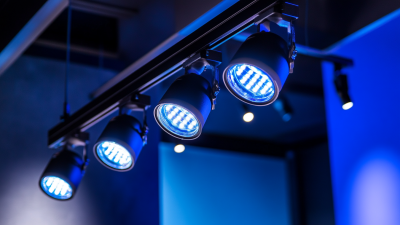
LED track lights are adjustable fixtures mounted on an electrified rail. Unlike fixed ceiling lamps, they can swivel and aim light toward selected areas. Each head usually contains an LED module, reflector, and heat-management system. This design offers focused illumination with lower energy use and longer service life than many older lamps.
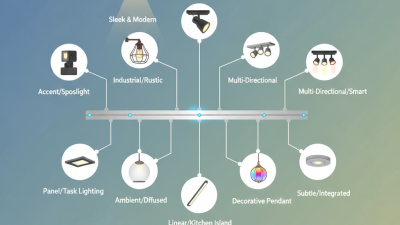
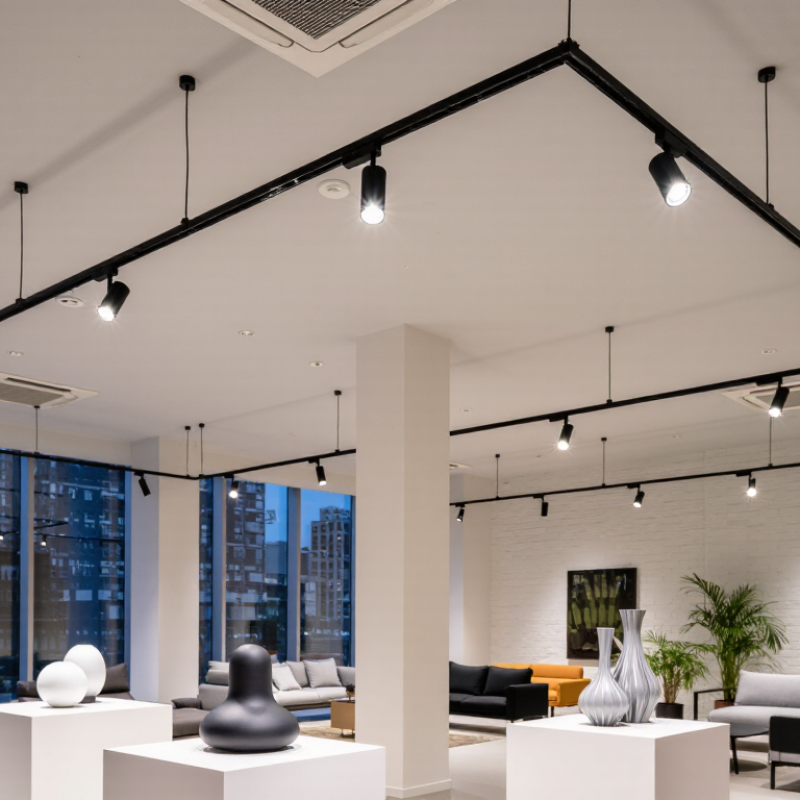
They are widely used in retail displays, galleries, kitchens, offices, and hospitality spaces. A narrow beam can highlight artwork or merchandise, while a wider beam creates softer general lighting. Color rendering also matters. A high-CRI fixture can show fabrics, food, and wall colors more naturally. Track layouts can follow counters, shelves, or room edges. However, excessive aiming may create glare or uneven brightness. The easiest installation is not always the best visual result.
Tips: Check the track type and fixture compatibility before ordering. Match beam angle, color temperature, and lumen output to the room’s purpose. Warm white light often suits homes, while neutral white can support shops and work areas. Leave space around the fixture for heat to escape. Use a qualified electrician for wiring and mounting. I would also test one sample light first. Photos rarely reveal glare, shadows, or color differences accurately.
Why China Is a Major LED Track Light Manufacturing Hub
China Top 10 LED Track Light Manufacturers for Global Buyers
Why China Is a Major LED Track Light Manufacturing Hub
China has become a major LED track light manufacturing hub through a dense, responsive supply chain. Aluminum housings, optical lenses, drivers, and packaging materials are often sourced within nearby industrial regions. This reduces transport time between suppliers. It also supports faster prototype adjustments.
Many factories combine die-casting, powder coating, assembly, and testing under one production system. Buyers can request different beam angles, color temperatures, track adapters, and dimming options. Engineers usually test heat dissipation, light distribution, electrical stability, and surface quality before shipment. Factory audits and sample inspections remain essential. Production volume alone proves little.
China also offers flexible order sizes and competitive tooling costs for overseas projects. Export experience helps manufacturers prepare documentation, packaging, and product samples for different markets. Independent testing may verify photometric data and relevant safety requirements. Still, quality is not uniform. Some suppliers prioritize appearance over thermal performance. That deserves attention. Global buyers should compare samples, inspect production records, and clarify warranty responsibilities before placing large orders. The best results come from steady communication, measurable specifications, and repeated quality checks.
China Top 10 LED Track Light Manufacturers for Global Buyers - Why China Is a Major LED Track Light Manufacturing Hub
A comparative overview of anonymous Chinese LED track light manufacturer profiles, based on commonly available OEM/ODM product capabilities, export specifications, and major lighting-production clusters.
Data note: The figures shown are typical capability ranges for Chinese OEM/ODM LED track light suppliers and are intended for initial sourcing comparison. Actual performance, certifications, minimum order quantities, pricing, and delivery schedules should be confirmed through current product datasheets, test reports, and written quotations.
How to Evaluate China’s Top LED Track Light Manufacturers
When evaluating China’s leading LED track light manufacturers, begin with evidence, not catalog photography. Ask for a factory profile, production flow, and recent quality records. A credible supplier should explain LED bins, driver sourcing, thermal design, and aging tests in clear language. Request samples with measured lumen output, color rendering, beam angle, and power consumption. Numbers matter. So does consistency between samples and mass production.
Check documents against your destination market. Relevant safety, EMC, and environmental reports should match the exact model, not a similar housing. Confirm whether testing came from an independent laboratory. Review warranty terms, spare-part support, inspection procedures, and complaint response times. A factory audit can reveal basic details, such as clean assembly benches, labeled components, and calibrated meters. Small signs often predict larger reliability problems.
Discuss customization carefully. Track adapters, finishes, dimming protocols, and color temperature tolerance can affect installation. Ask for a pilot order before committing to volume. An attractive price may hide weak drivers or limited testing. That deserves scrutiny. No checklist is perfect. A supplier that admits limitations may be more dependable than one promising everything.
China’s Top 10 LED Track Light Manufacturers for Global Buyers
China’s top 10 LED track light manufacturers for global buyers should be judged by evidence, not factory photographs. A reliable shortlist examines optical testing, driver quality, production records, and export experience. Buyers should request LM-80 or TM-21 reports, flicker measurements, and independent safety certificates. CRI above 90, stable color temperature, and low glare matter in retail interiors.
Grand View Research estimated the global LED lighting market at USD 78.9 billion in 2023. Its report also expects strong growth through 2030. The International Energy Agency reported that LED technology represented more than half of global lighting sales in recent years. These figures show expanding demand, but they do not prove every supplier performs equally. Testing matters more.
The strongest Chinese manufacturers usually provide photometric files, thermal test data, warranty terms, and traceable component information. Global buyers should compare beam angles, power-factor results, dimming compatibility, and replacement procedures. IEC 60598 compliance is important, while destination markets may require additional certifications. I would also inspect sample batches before approving volume orders. Ten suppliers can look similar online. Their tolerances may not be similar. Pricing remains useful, but unusually low quotations deserve careful questioning. Some published market estimates also differ widely, so buyers should verify dates, definitions, and research methods before making a ranking.
How Global Buyers Can Select and Source the Right Supplier
Selecting among China’s top ten LED track light manufacturers requires more than comparing website prices. Global buyers should define application needs, including beam angle, lumen output, CRI, CCT, dimming method, and track standard. Ask for IES files, safety certifications, test reports, and recent production photos. Request samples. Test them in the actual retail, gallery, or hospitality space. Check glare at eye level, color consistency, heat near the adapter, and noise during dimming. Small failures become expensive after installation.
During supplier evaluation, inspect the factory’s assembly lines, aging-test area, and quality records. Confirm whether critical parts come from stable sources. Ask how the supplier handles failed samples, replacement parts, and warranty claims. A reliable manufacturer should provide clear lead times, carton dimensions, loading plans, and traceable batch information. Verify product certifications for the destination market, rather than accepting generic logos on a brochure. Also compare track compatibility carefully. Similar-looking adapters may not fit the same rail system.
Price is only one purchasing factor. Calculate total cost through freight, spare units, installation labor, and possible returns. Negotiate realistic minimum order quantities and staged shipments when demand is uncertain. Payment terms deserve equal attention. I have seen attractive quotations change after custom packaging and control options were added. A spreadsheet can still mislead. Buyers should record every specification in an approved purchase document and repeat key tests before mass production. Even experienced teams sometimes overlook color shifts between sample batches. That weakness deserves honest review.
How Global Buyers Can Select and Source the Right LED Track Light Supplier
Use this 100-point evaluation framework to compare suppliers consistently. Product quality, compliance, total cost, delivery performance, customization capability, and after-sales support should all be reviewed before placing an order.
Recommended approach: Request samples, verify test reports and certifications, compare total cost of ownership, confirm lead times in writing, and evaluate warranty and technical support terms.